Trustees’ legacy: From Boston to Buttermere
A blog by Catherine Leonard, INTO Secretary-General
Earlier this year, I was in Boston for a family gathering and Cindy Brockway, Senior Managing Director of Cultural Resources, very kindly offered to host a few days with The Trustees of Reservations. It was a chance to reconnect with the world’s oldest land trust and to explore how their new strategy aligns with INTO’s shared priorities.
Relationship with INTO
The Trustees began in 1891 in response to rapid population growth and industrialisation around Boston. Charles Eliot, a young landscape architect, argued for the immediate preservation of ‘special bits of scenery’ within ten miles of the State House, and proposed a non-profit that could hold land for the public to enjoy ‘just as a Public Library holds books and an Art Museum holds pictures’. That proposal created the Trustees and set the model that inspired the National Trust movement.
I often talk about the Trustees when I speak about the Trust movement. I plan to do so again when I address the National Trust’s Gifts in Wills events in December. Because, from the start this was an international conversation.
Eliot was in contact with the founders of the National Trust, reading Sir Robert Hunter’s writings and even meeting Canon Hardwick Rawnsley during European travels in 1885 and 1886. When Hunter, Rawnsley and Octavia Hill agreed to launch a trust for places of historic interest or natural beauty, they in turn drew on the constitution the Americans had developed.
Today the Trustees are an active INTO member. Peter Pinciaro and Brian Cruey attended INTO Bermuda in 2019. Cynthia Dittbrenner was part of the INTO Incubator in 2024. And Pilar Garro and Chris Moore took part in Heritage Leaders in 2025. There have been numerous exchanges with the National Trust over the years. And we have a new year of collaboration planned starting in 2026 as well as a new reciprocal visiting arrangement.
Exchanges with INTO, including a visit to the UK about 15 years ago and the 2019 Bermuda Conference were the highlight of my career.
Why this visit matters
The Trustees’ five-year plan For Everyone, Forever sets ambitious goals: acquire 12,000 acres (a sixfold increase), invest in stewardship and inspire climate resilience while growing membership to 110,000 households and annual visits to 2.25 million. Through welcoming thousands of first-time visitors through the We Are All Trustees campaign and strengthening organisational culture, the plan – backed by a major new capital campaign – focuses on integrated conservation, community engagement and future-proofing through risk assessment and professional development.
These pillars echo the priorities we see across our network and align closely with INTO’s own strategic themes and programmes.
Highlights of the visit
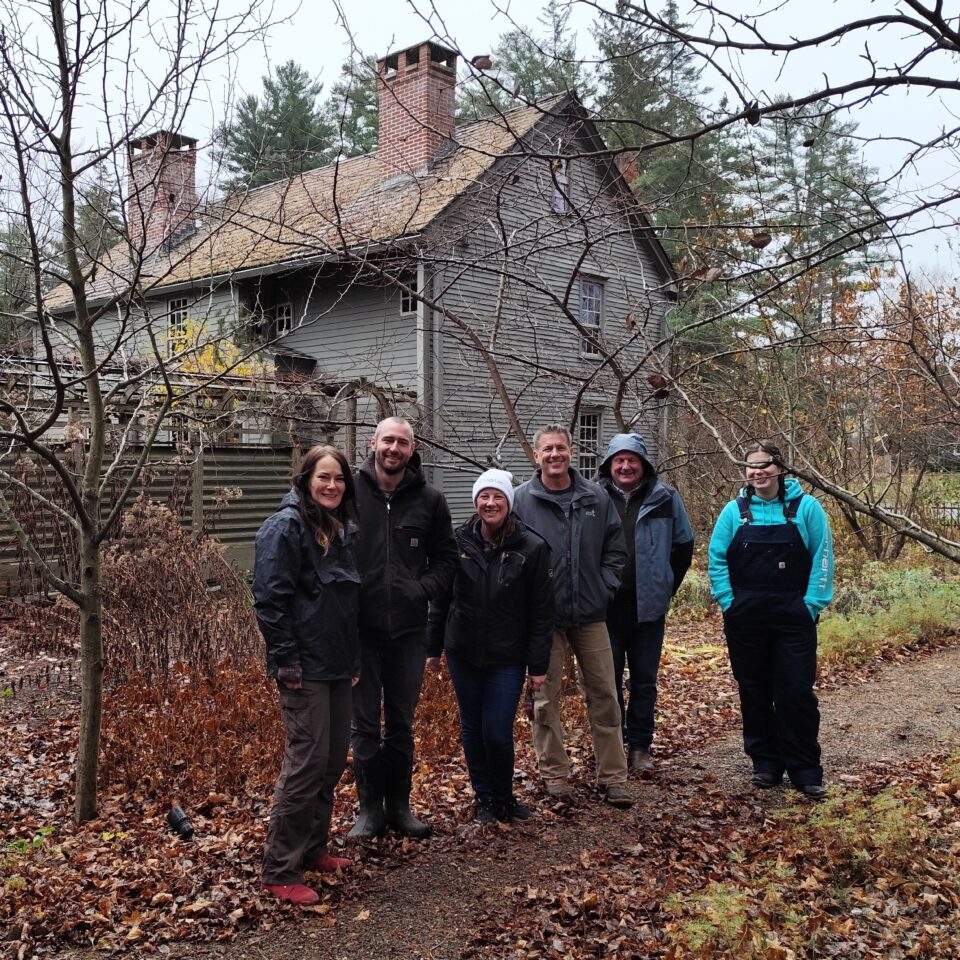
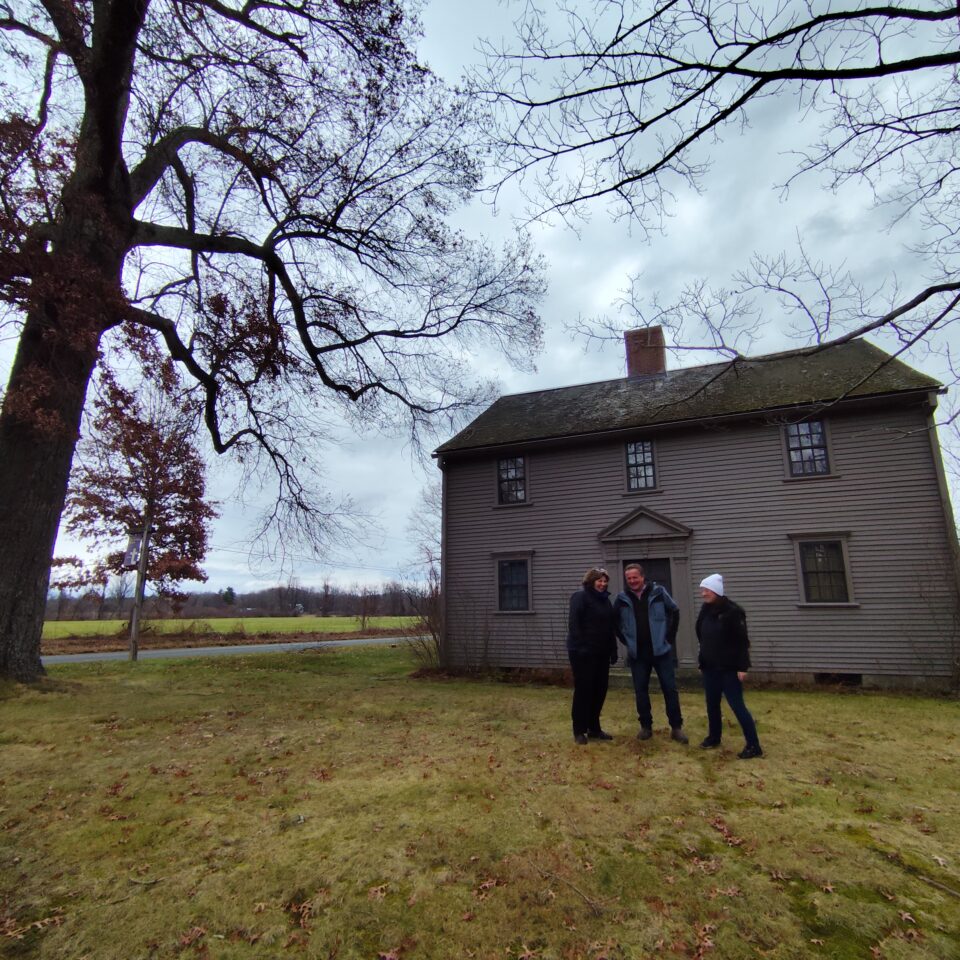
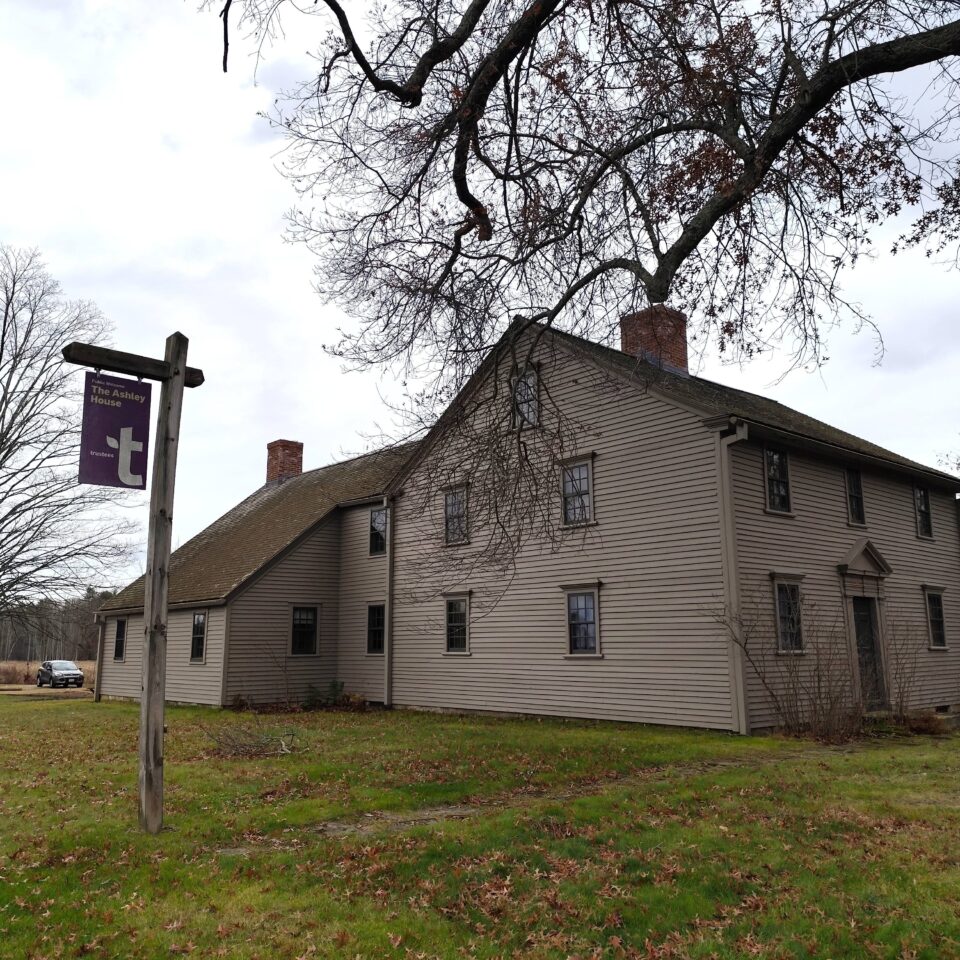
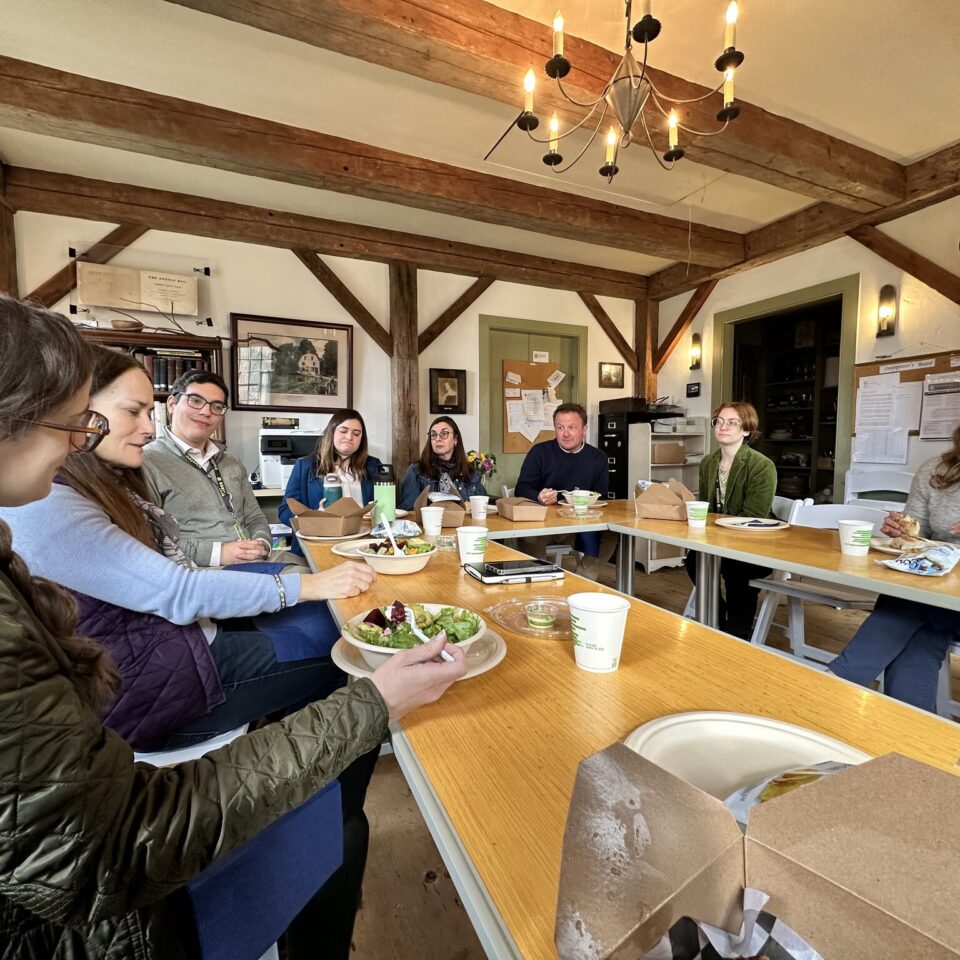
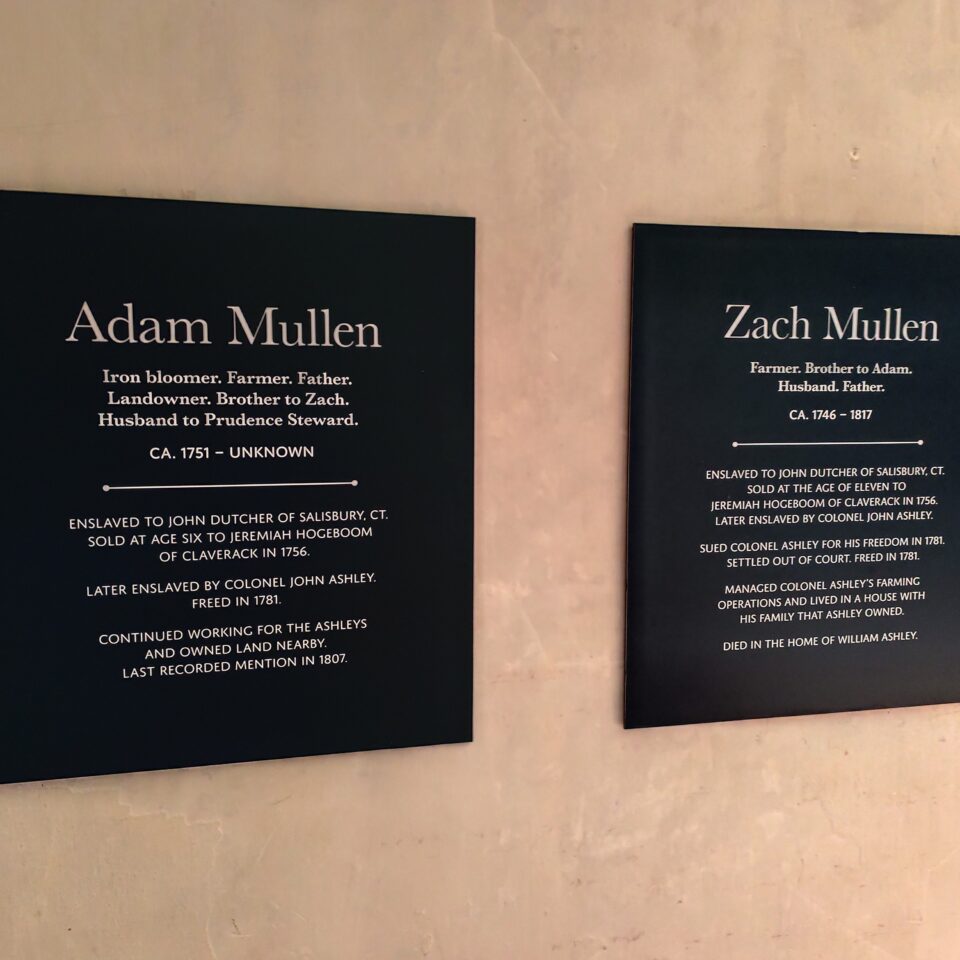
Ashley House, Sheffield: I spent time with colleagues discussing how best to centre Elizabeth Freeman‘s story. The outdoor exhibit shares her fight for freedom and its role in ending slavery in Massachusetts. We spoke about RISE connections and how Kendra Knisley could be involved moving forward.
Mission House, Stockbridge: The Stockbridge-Munsee Community’s exhibit reframes local history through Indigenous voices. The conversation focused on respect, trust and the power of place. This resonated with work across INTO to bring forward hidden voices.
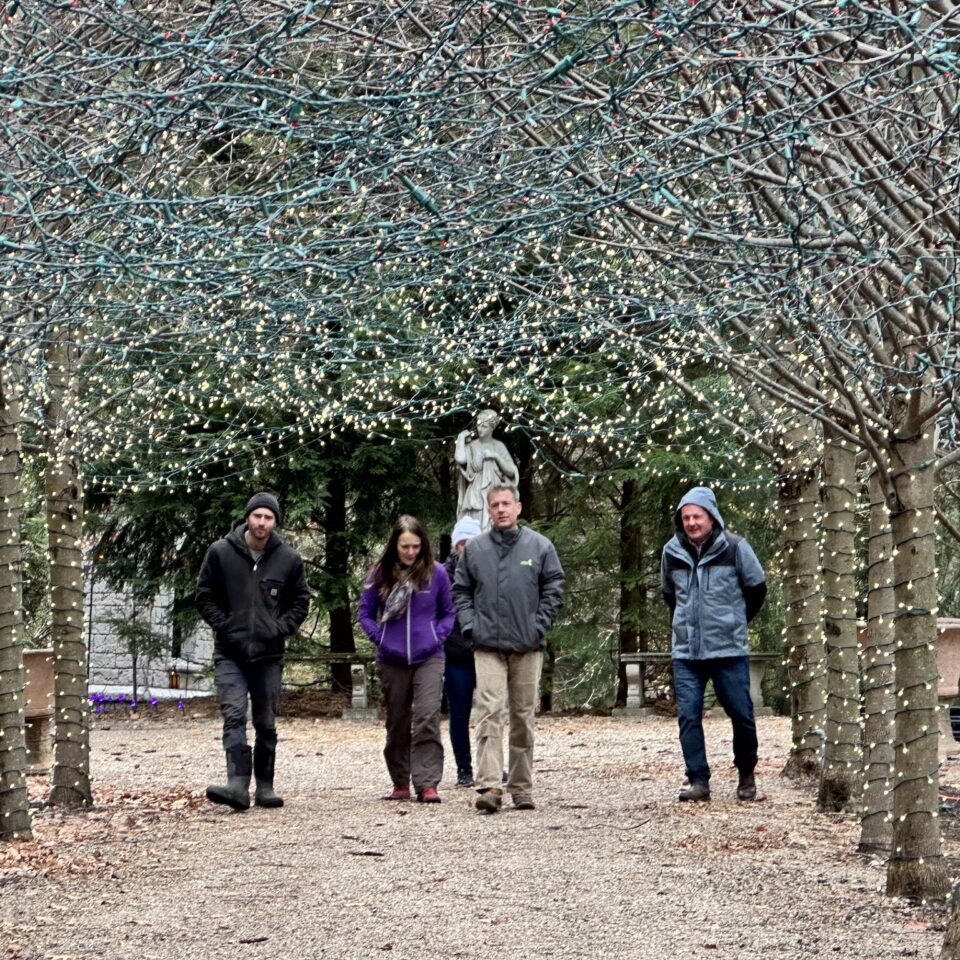
Naumkeag, Stockbridge: A 48-acre architectural masterpiece with curated gardens and seasonal events like Winter Lights and the Daffodil & Tulip Festival. It reminded me of properties like Standen or Bodnant in the UK. It would be great to see how programming could better connect to the house’s story and to explore potential for twinning with similar INTO properties.
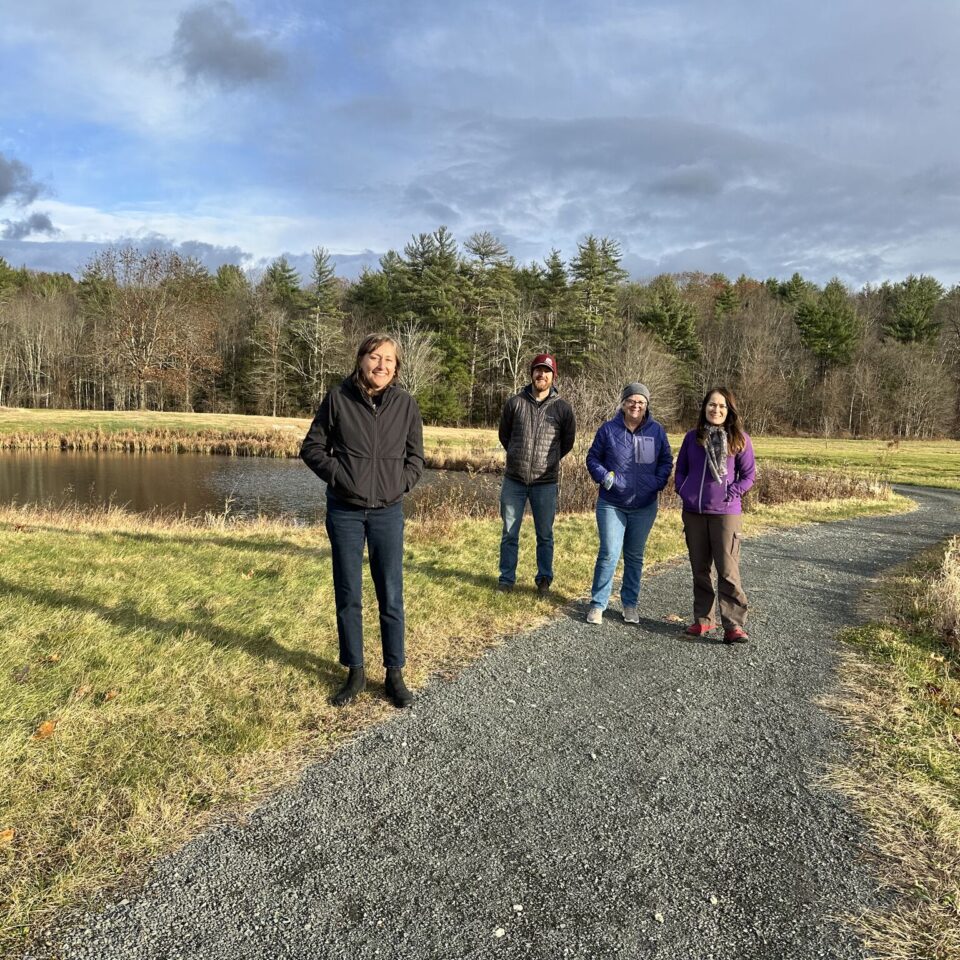
Beaver Brook, Connecticut River Valley: The team is rewilding a former golf course to restore floodplain habitat, increase carbon storage and create accessible trails. The emphasis was firmly on ecology and nature-based climate solutions. Again, opportunities to learn from similar projects across the INTO network.
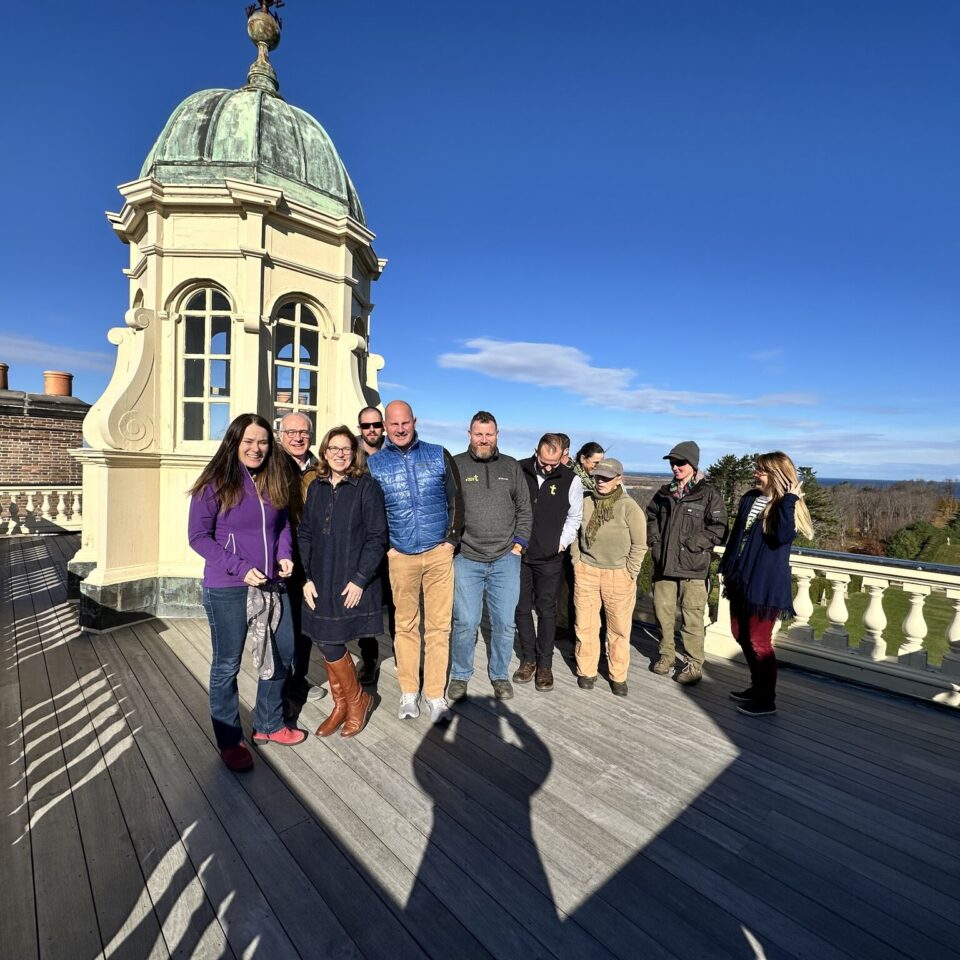
Castle Hill and the Crane Estate, North Shore: Standing above one of New England’s largest salt marsh systems we talked about coastal resilience, citizen science and telling climate stories through cultural resources like the Ada K Damon shipwreck.
This was my second visit to Castle Hill and it still took my breath away – the scale and beauty feel so familiar to anyone who knows classic National Trust estates. Val Perini’s coastal education programmes are inspiring the next generation of conservationists and feel ripe for CAN and RISE connections. And CraneOutdoors offers year-round guided hikes and kayak trips across the estate, acting as an important gateway for people who don’t yet know the Trustees.
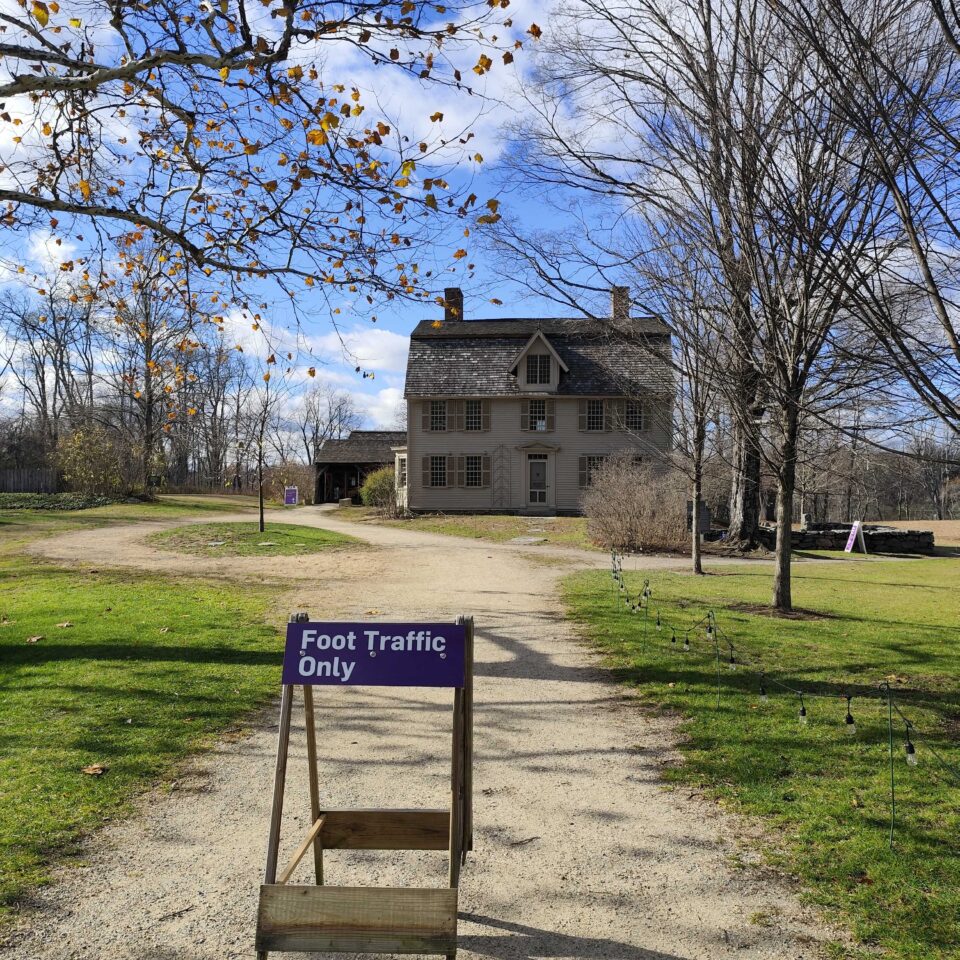
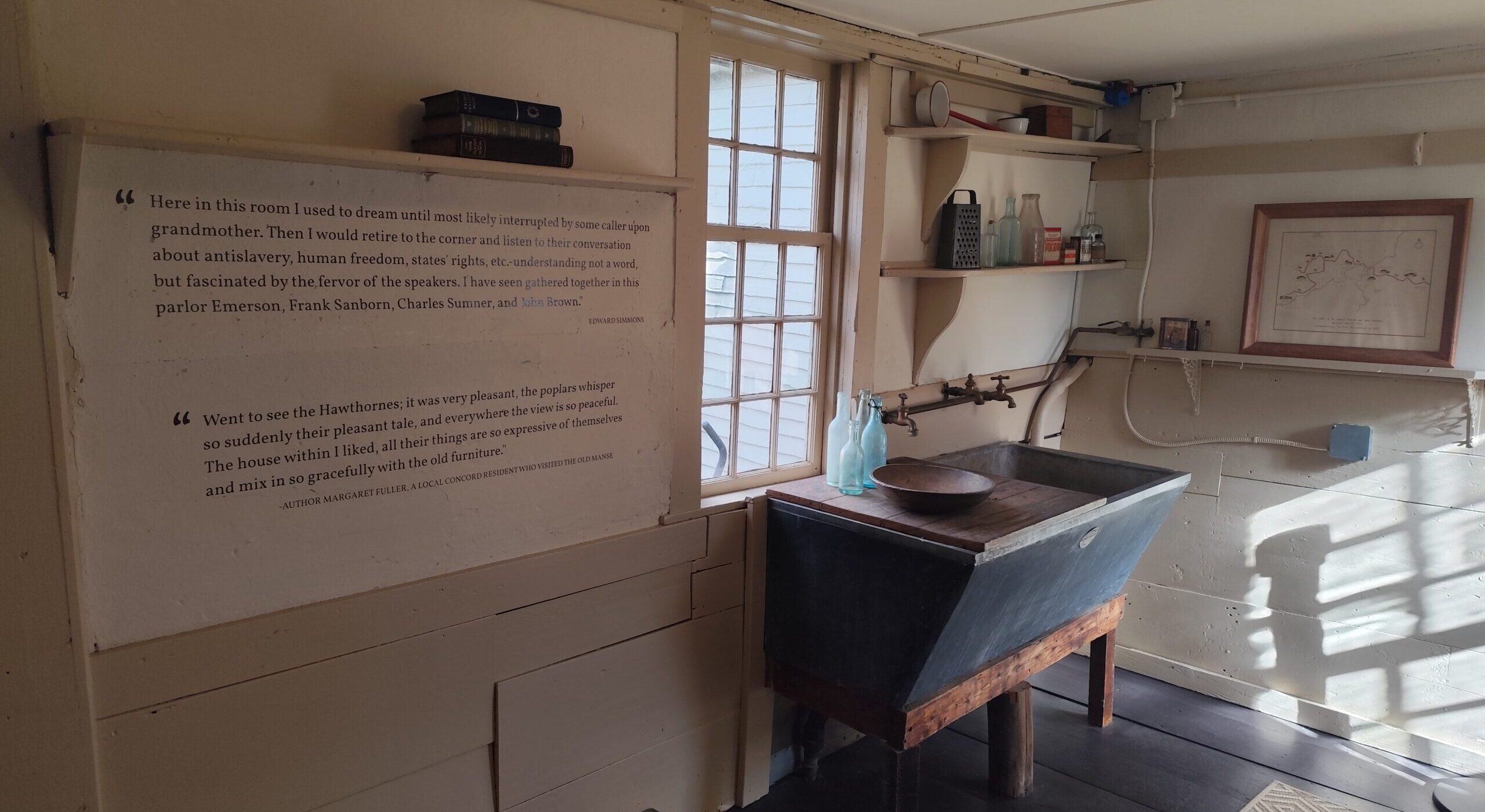
The Old Manse, Concord: This small house holds extraordinary history from revolution to literature. We discussed the Reading the Room project with Oxford University and looked at how interpretation can bring hidden stories forward while addressing climate impacts on heritage.
I love the work that you all do at INTO - like-minded organisations working together to make change happen - I think it's so important
Lessons for INTO members
Integrated decision-making: Trustees colleagues are moving away from siloed practices toward integrated stewardship of natural and cultural resources. Building guiding principles and a decision framework will help staff balance heritage, ecology and scenic values in daily decisions. INTO is helping by convening peers to co-create and share these tools.
Climate adaptation and carbon: From salt marsh restoration to rewilding Beaver Brook, climate resilience and carbon strategies are central. There is appetite to explore policy connections, biodiversity credits and carbon markets across the INTO network.
Communities of practice: Several colleagues asked for links to peers in IT services, policy, oceans and marine conservation and retail operations, for example. INTO can help seed these communities of practice and share models like the National Trust’s coastal projects and digital membership work.
Interpretation that includes everyone: Sites of Enslavement, Indigenous perspectives and women’s stories are being centred more intentionally. RISE and Reading the Room offer practical entry points and case studies for members.
Outdoor programming as a gateway: Initiatives like CraneOutdoors show how guided hikes, kayak trips and seasonal experiences can act as entry points for new audiences. They help people connect with nature and heritage in a hands-on way, fostering belonging and building the next generation of conservationists. INTO members can learn from this approach to broaden engagement and diversify participation.
Enterprise and mission: There are questions about balancing retail, education and storytelling while staying mission-aligned and financially sustainable. INTO can help broker conversations with colleagues who have navigated similar choices.
Looking ahead
We agreed to explore a year-long exchange starting in 2026 with the National Trust, and potentially other INTO member organisations. Short visits (that I heard called ‘blinks’) to spark ideas, then longer ‘stares’ to deepen practice. INTO will support with case studies, webinars and a continuing conversation.
My heartfelt thanks to Cindy Brockway for hosting, and to the many Trustees colleagues who shared their time and insights across Boston, the Berkshires, the Valley and North Shore.