BlogsCase StudiesProgrammes
Building stronger heritage organisations through collaboration
September 30, 2026

A blog by Charlotte Thomas, Programme Manager for ‘Salt and Stone’
Last month I travelled to Zanzibar and the Comoros as part of the early scoping and evaluation phase of INTO’s ‘Salt and Stone’ project, funded by the ALIPH Foundation. The trip was short but packed with partner meetings, site visits, stakeholder engagement and conversations around the future of the two important Swahili coastal heritage sites at the centre of the project: Ba’mnara Mosque in Zanzibar and the Swaniani Princely House in Mutsamudu, Comoros.
The mission was my first opportunity to spend meaningful time with both project teams in person and to better understand the sites and communities involved. It was also my first visit to either Zanzibar or the Comoros. Visiting both sites helped me better understand the shared Swahili heritage that connects these places and the important role that historic buildings continue to play within the communities around them.
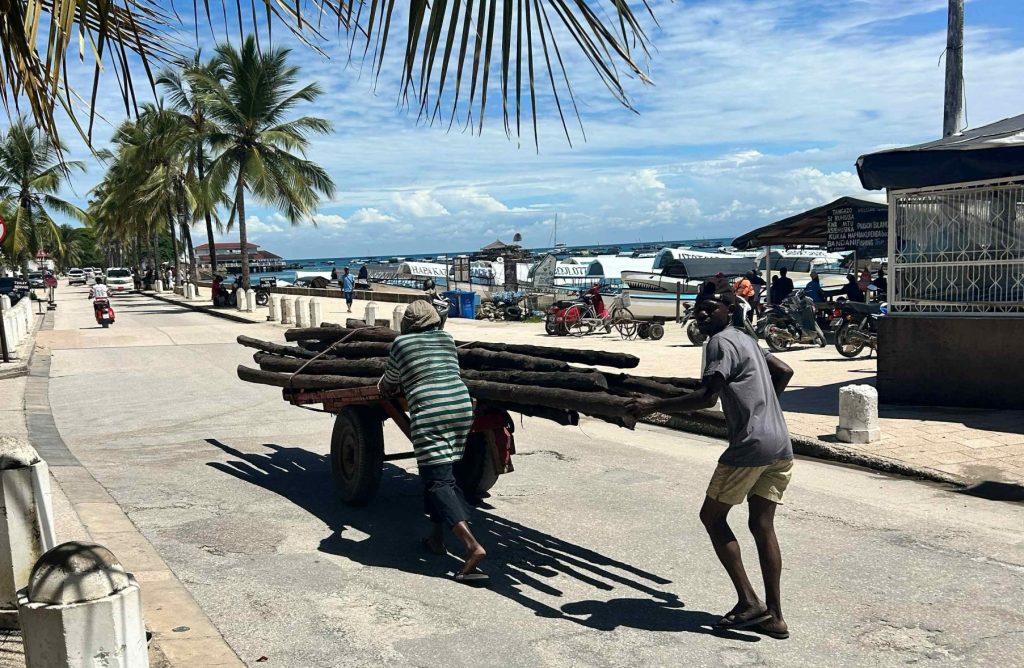
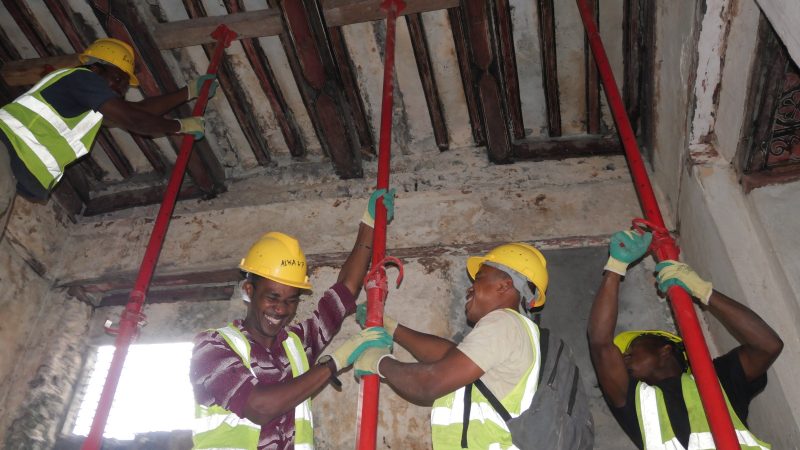
Workers pushing new boriti (mangrove poles) which are used in the roofs of traditional buildings in stone town.
In Zanzibar I spent time with colleagues from the Zanzibar Stone Town Heritage Society (ZSTHS). We explored Stone Town’s rich and layered history and spent many hours discussing the role that conservation can play within a rapidly changing urban environment impacted by tourism and climate change.
Walking through Stone Town highlighted the challenges facing many historic coastal settlements. The town’s heritage is one of its greatest strengths and attracts visitors from around the world, yet that same popularity places pressure on the historic fabric of the town. Combined with changing weather patterns, increasing humidity and salt exposure, conservation becomes an ongoing challenge rather than a one-off intervention.
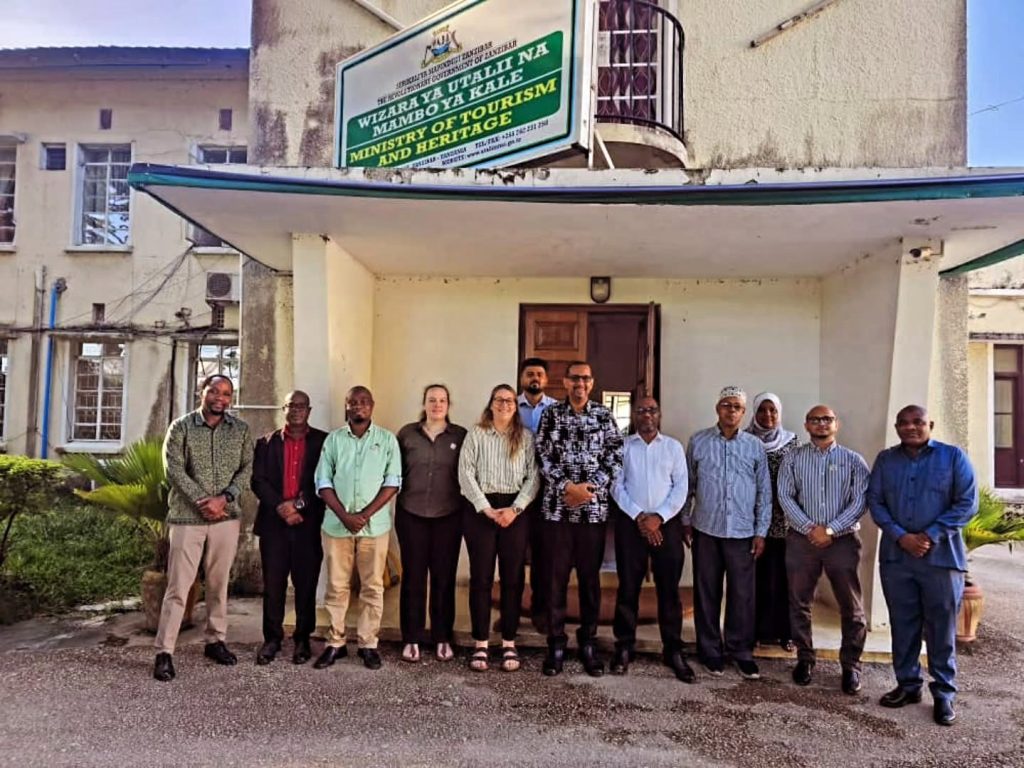
Meeting with the Ministry of Tourism and Heritage, Stone Town
This was a key topic during meetings with the Ministry of Tourism and Antiquities, where we discussed the financial and practical challenges of maintaining historic buildings.
Just weeks before my visit, two buildings in Stone Town had collapsed, demonstrating the urgency of conservation efforts in this historically significant place.
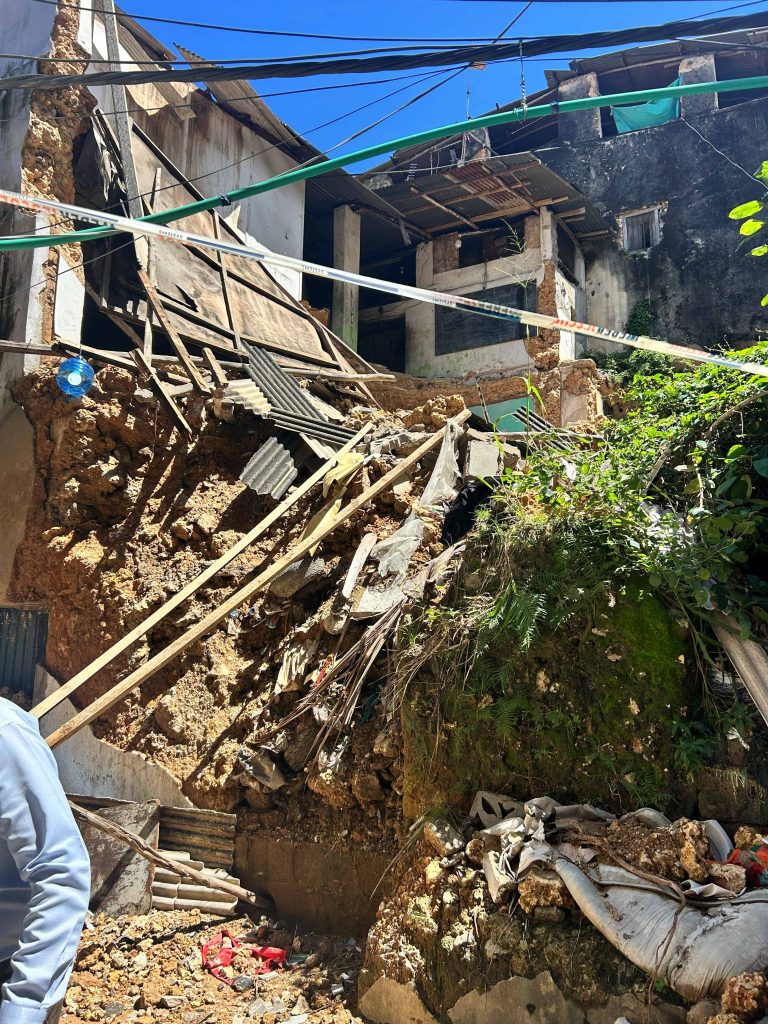
View of a collapsed building in Stone Town, Zanzibar
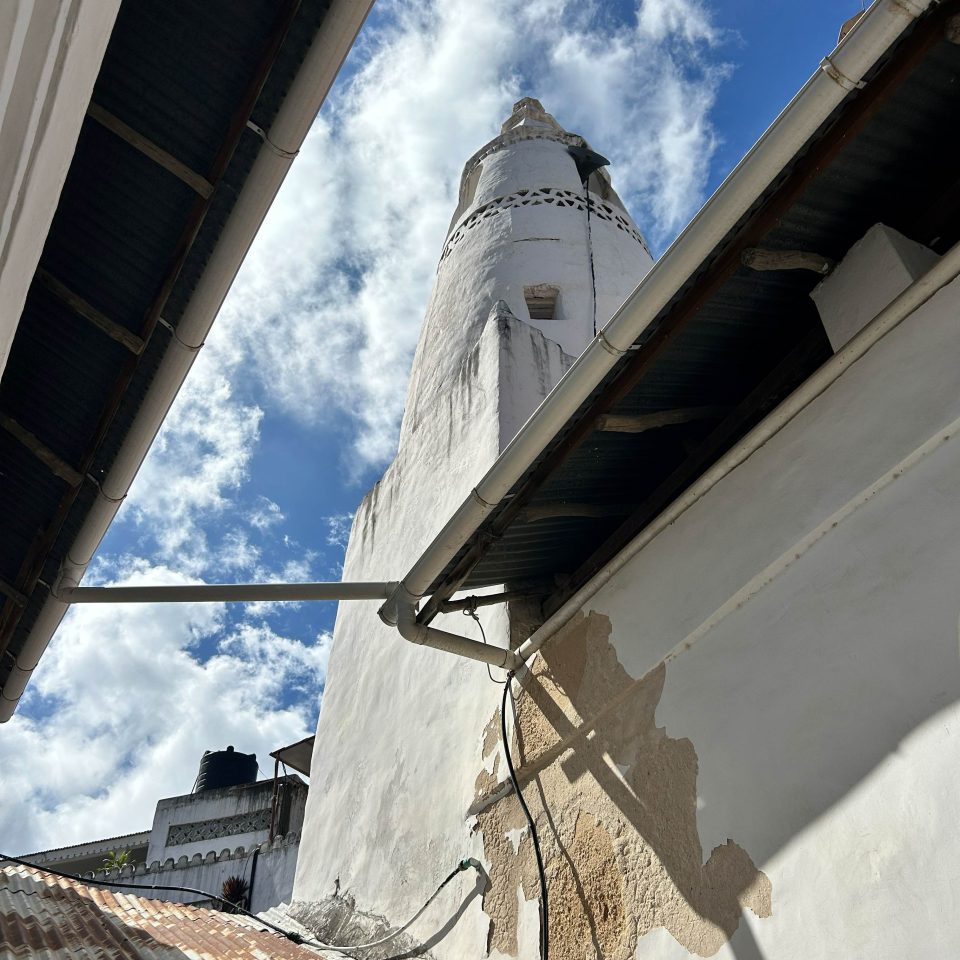
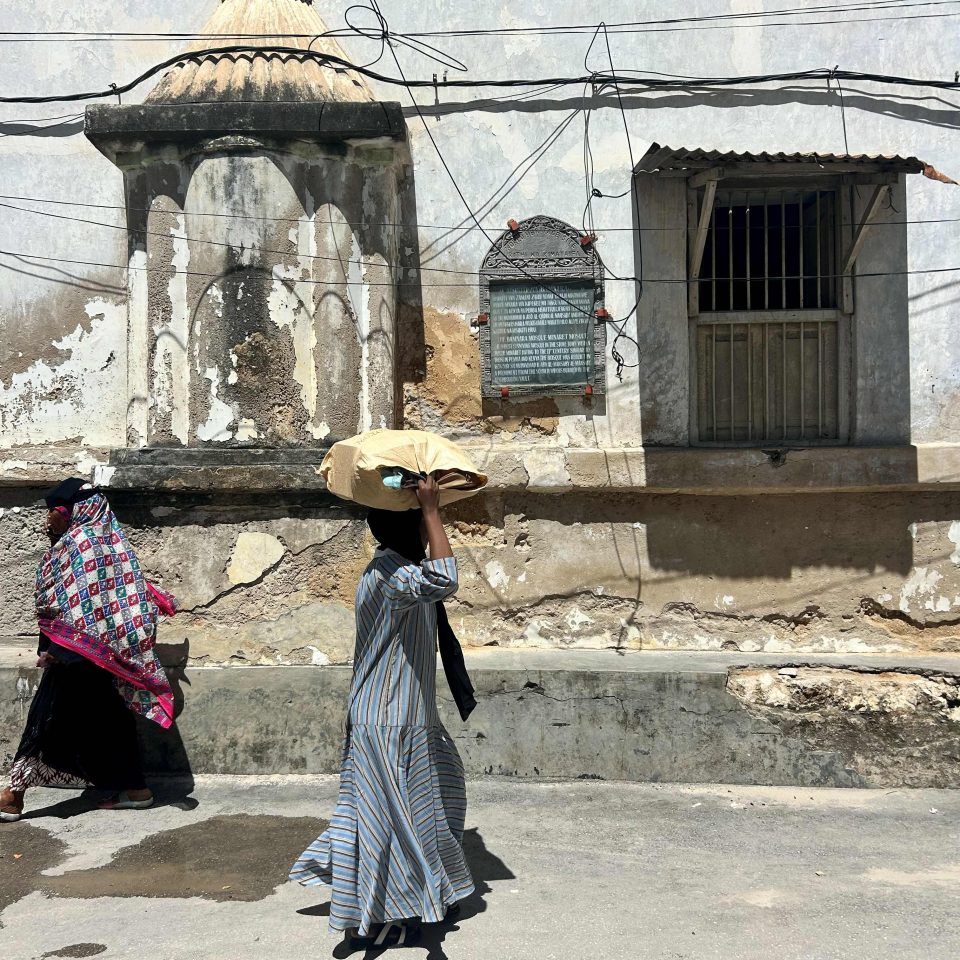
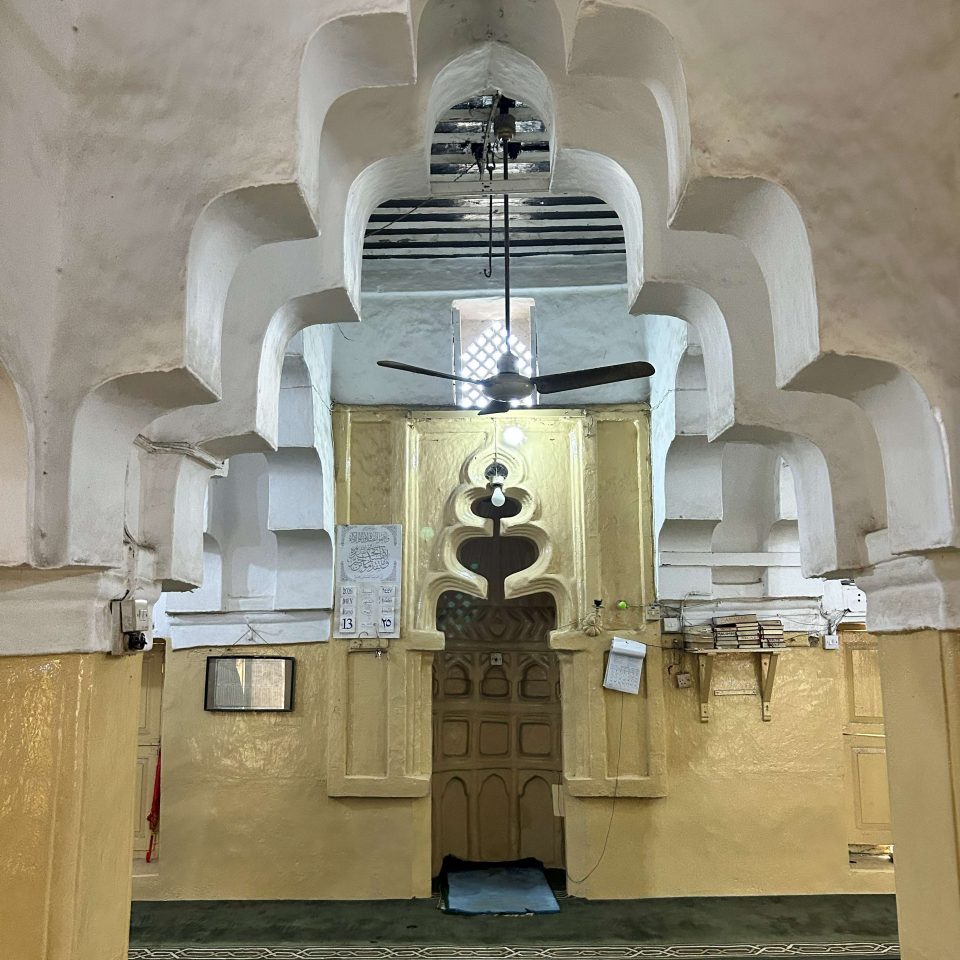
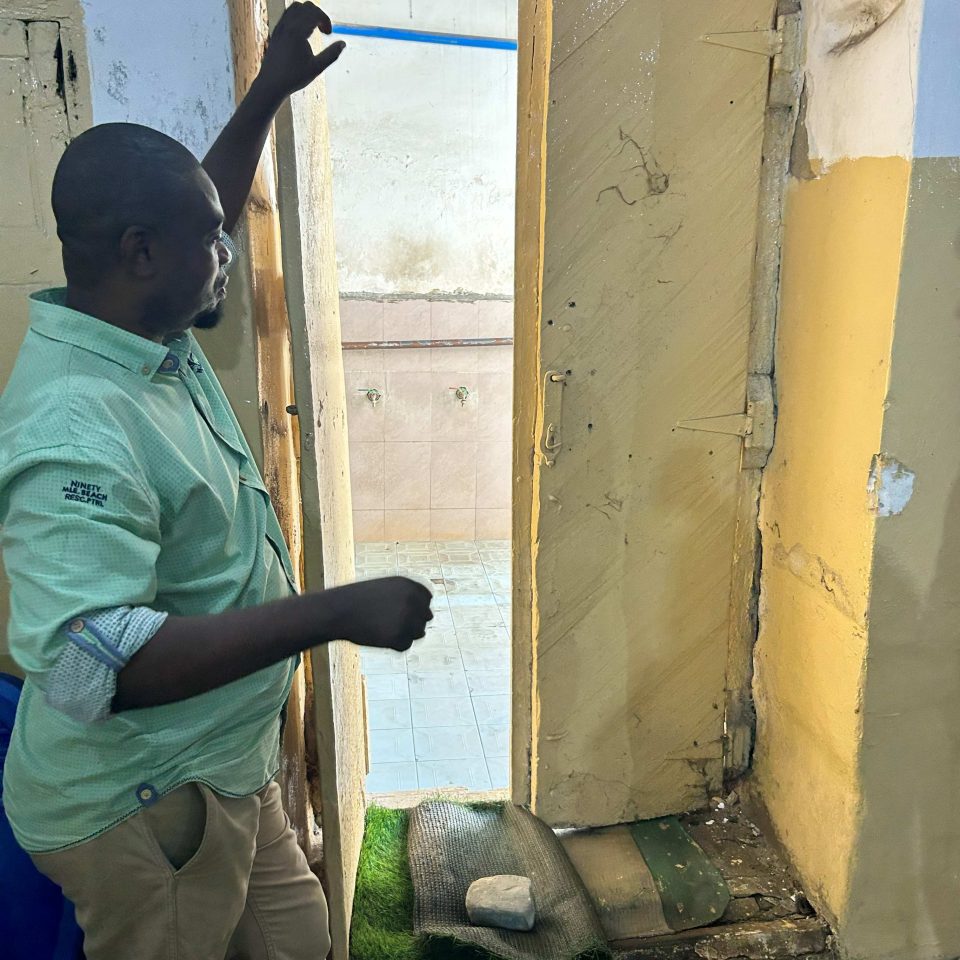
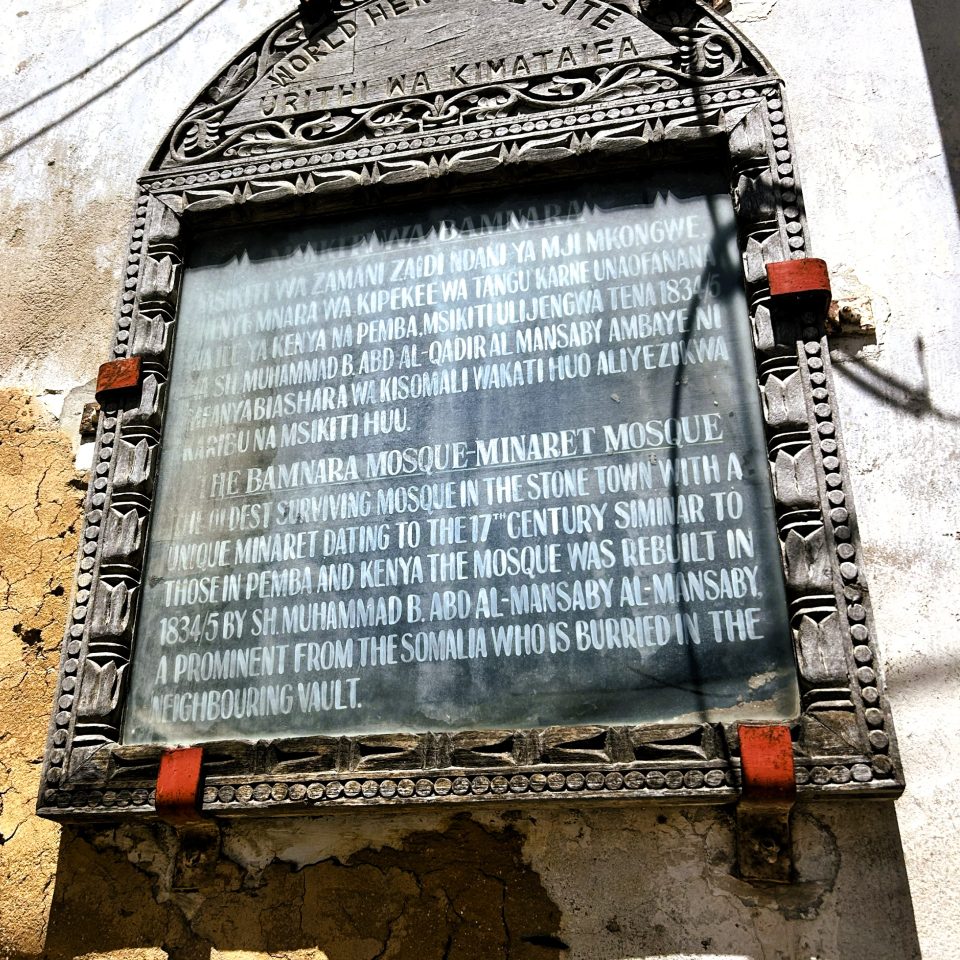
Of course, we also visited the ‘Salt and Stone’ project site, the Ba’mnara Mosque. The mosque is the only Grade I listed mosque in Stone Town and remains in active use today. We met with representatives of the WAKF and Trust Commission, which oversees many of Stone Town’s 52 mosques plays an important role in their management and maintenance.
Ba’mnara continues to function as a mosque and remains an important part of the local community. This has practical implications for the project, as any conservation work will need to be carefully planned around the continued use of the building by worshippers.
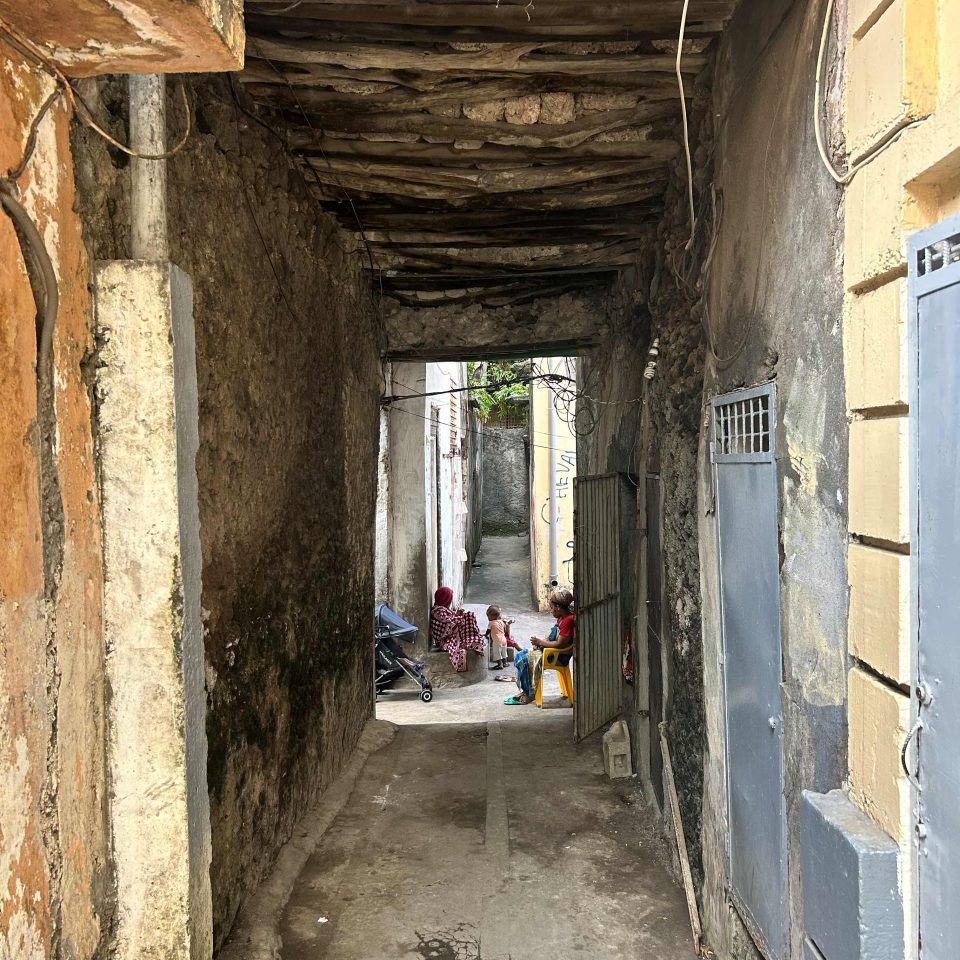
The visit to the Comoros offered a very different but equally valuable perspective. Exploring the narrow streets of the medina in Mutsamudu, visiting Ujumbe Palace and Swaniani Princely House, and meeting local stakeholders brought the ambitions of the project and our partners into focus.
Like many small island nations, the Comoros faces economic and infrastructure challenges, and there are many competing priorities for limited resources. Against this backdrop, the historic buildings of the medina and the surviving sultanic architecture stand out even more clearly. Sites such as Swaniani Princely House are among the town’s most distinctive buildings and make an important contribution to its character. Seeing them in person helped me better understand both their significance and the commitment of local partners to their protection.
We also met with the Mayor of Mutsamudu, who expressed strong support for the project and recognised the important role that heritage conservation can play in protecting the town’s unique character, strengthening local identity and supporting future opportunities for the community. The welcome from the Collectif du Patrimoine des Comores (CPC) team was incredibly generous throughout, and their knowledge, adaptability and commitment to protecting Comorian heritage were evident at every stage of the visit.
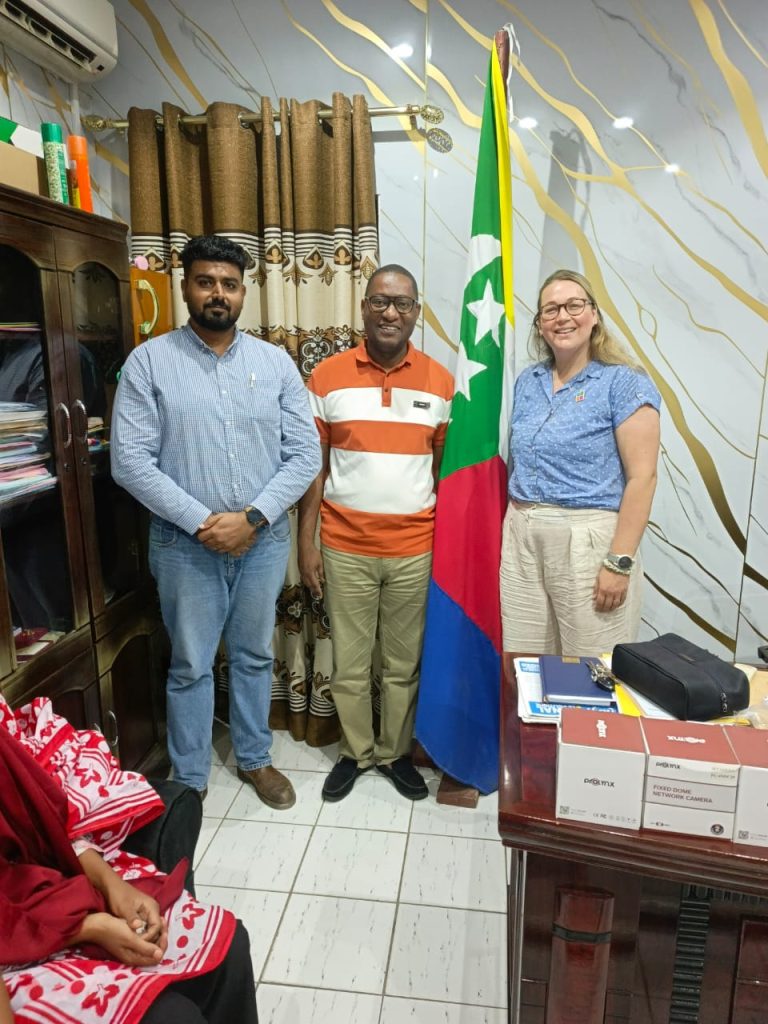
PM Charlotte Thomas and ZSTHS conservation architect Hoshil Dhanji meeting with the mayor of Mutsamudu
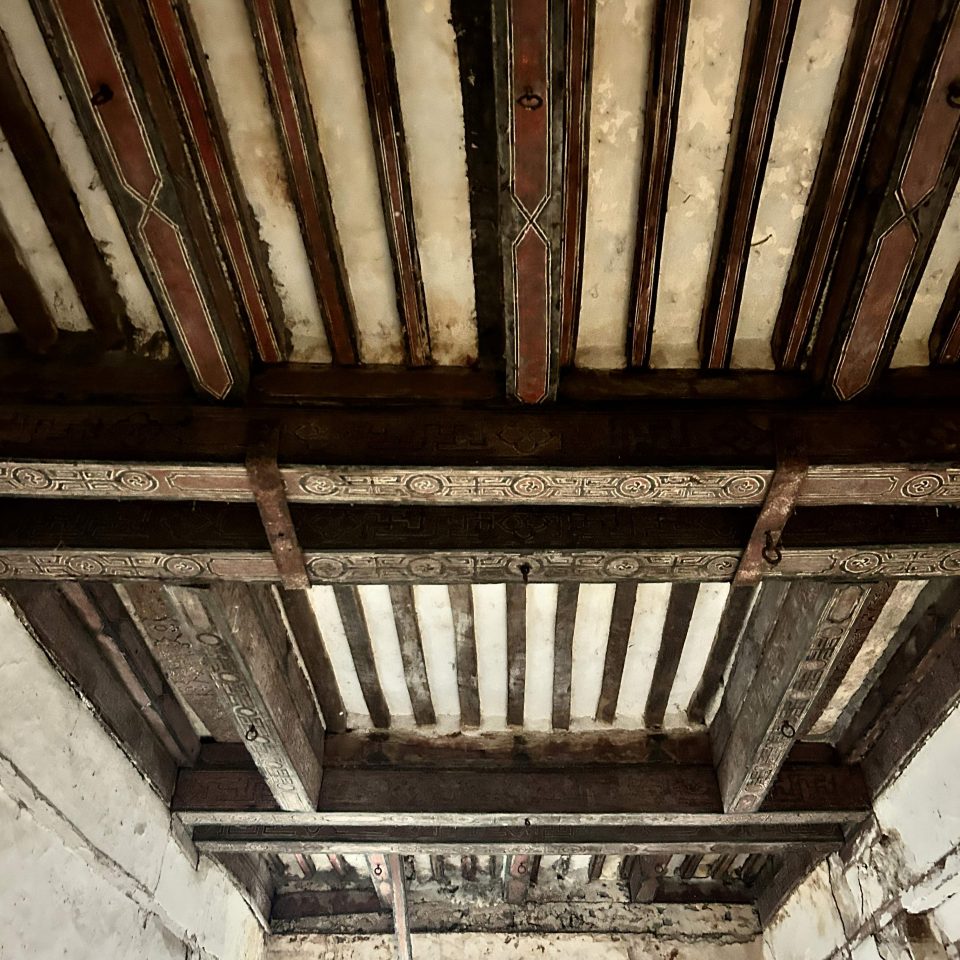
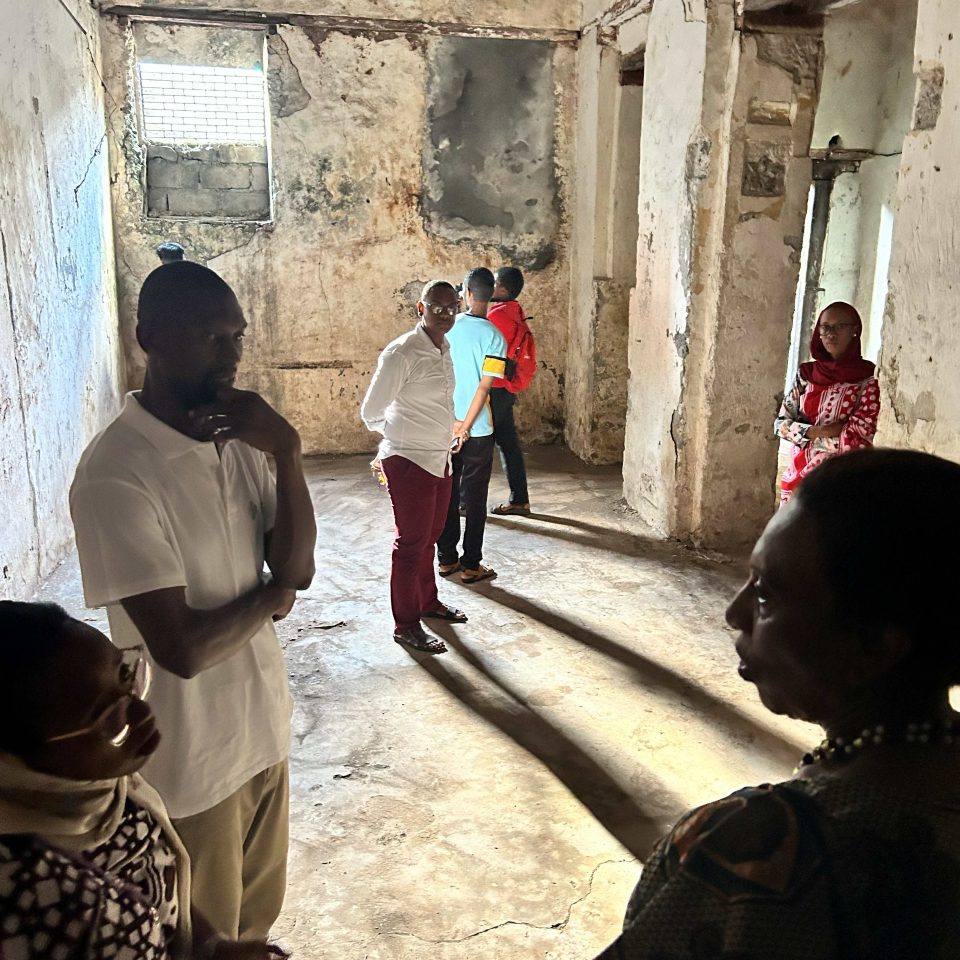
I also had the opportunity to visit the project’s second site, the Swaniani Princely House. One of the most striking features of the building was the series of beautifully carved red and black timber beams, many of which still retain decorative elements and Qur’anic inscriptions. Despite the building’s age, these features remain remarkably well preserved. In part, this is because the historic structure now sits beneath a more modern building, which has unintentionally provided protection from rainwater and moisture ingress, helping to safeguard elements of the original fabric that might otherwise have deteriorated.
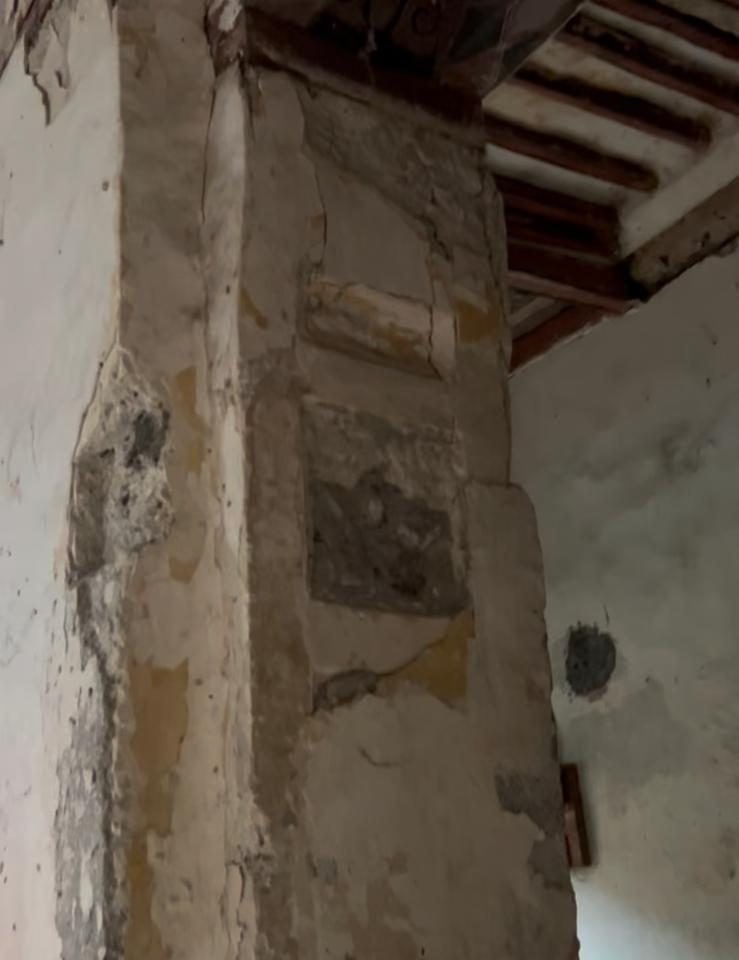
The interior also contains gorgeous wall niches, some of which have been covered over during later alterations to the building. Revealing and understanding these hidden architectural features will form an important part of the site’s future conservation and interpretation.
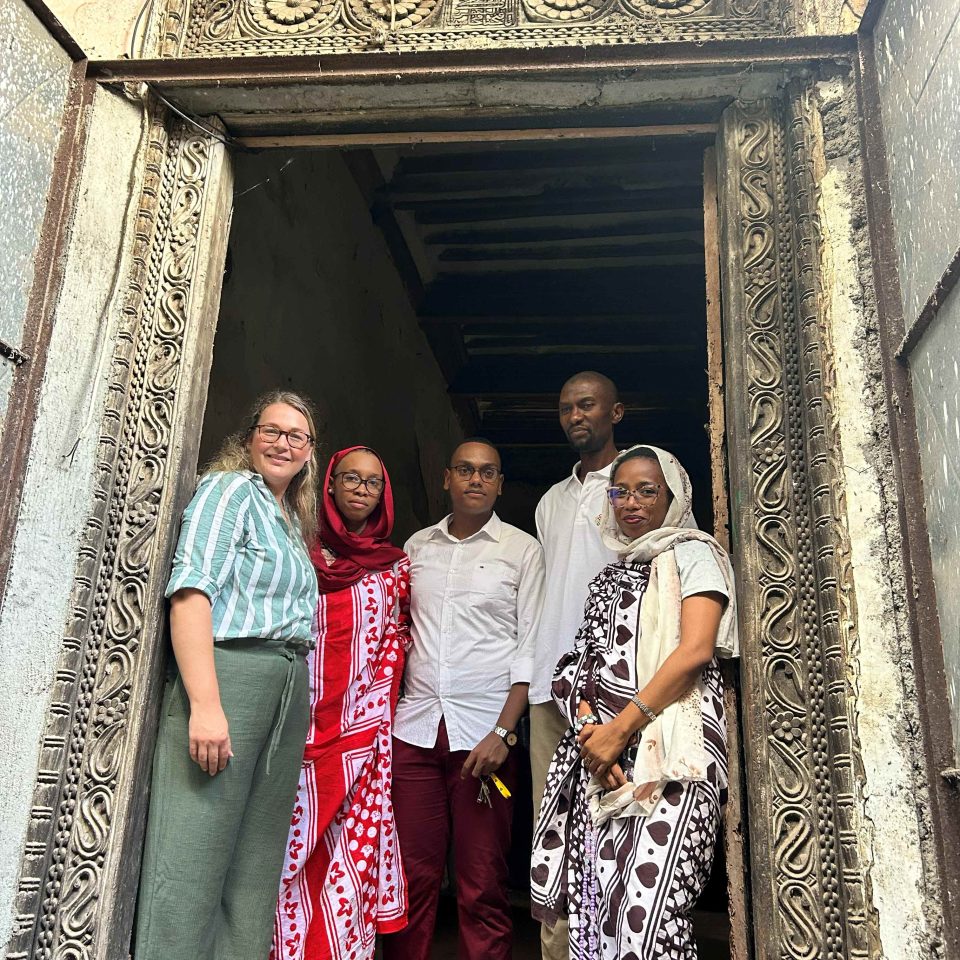
The trip also highlighted some of the practical realities of delivering projects in island contexts, where infrastructure, transport and wider political or economic conditions can change quickly.
During our time in the Comoros, protests linked to rising fuel prices created logistical challenges and disruptions to movement across the island. While these issues were managed successfully with the support of local colleagues, they served as an important reminder that heritage projects are often delivered in challenging environments, where flexibility and local knowledge are essential.
Rather than discouraging me, this experience reinforced the importance of partnership, flexibility, and locally led approaches. The ability of both the CPC and ZSTHS teams to navigate changing circumstances, maintain momentum and continue prioritising heritage protection underlined just how essential local expertise and trusted relationships are to projects like this.
Overall, the mission was a hugely valuable experience and an encouraging start to the project. I returned with a much stronger understanding of the sites, deeper relationships with our partners, and a greater appreciation for the role that cultural heritage continues to play within coastal communities facing climate and development pressures.
I am very grateful to all of the colleagues, partners and stakeholders who welcomed and supported us throughout the trip, and I look forward to continuing the work together over the coming months and years.
"The ability of local partners to navigate changing circumstances underlined just how essential trusted relationships are to projects like this."
September 30, 2026
September 21, 2026

September 11, 2026