BlogsCase StudiesProgrammes
Building stronger heritage organisations through collaboration
September 30, 2026

My dad was a civil engineer. He designed bridges for a living. I still marvel at the vision, creativity and understanding needed to create physical bridges. And this blog is about bridge building of another sort as I reflect on three very different gatherings over the past few months:
Despite taking place in different countries and contexts, all three returned to the same central themes. Partnership, community, stewardship and the importance of bringing people together around shared purpose.
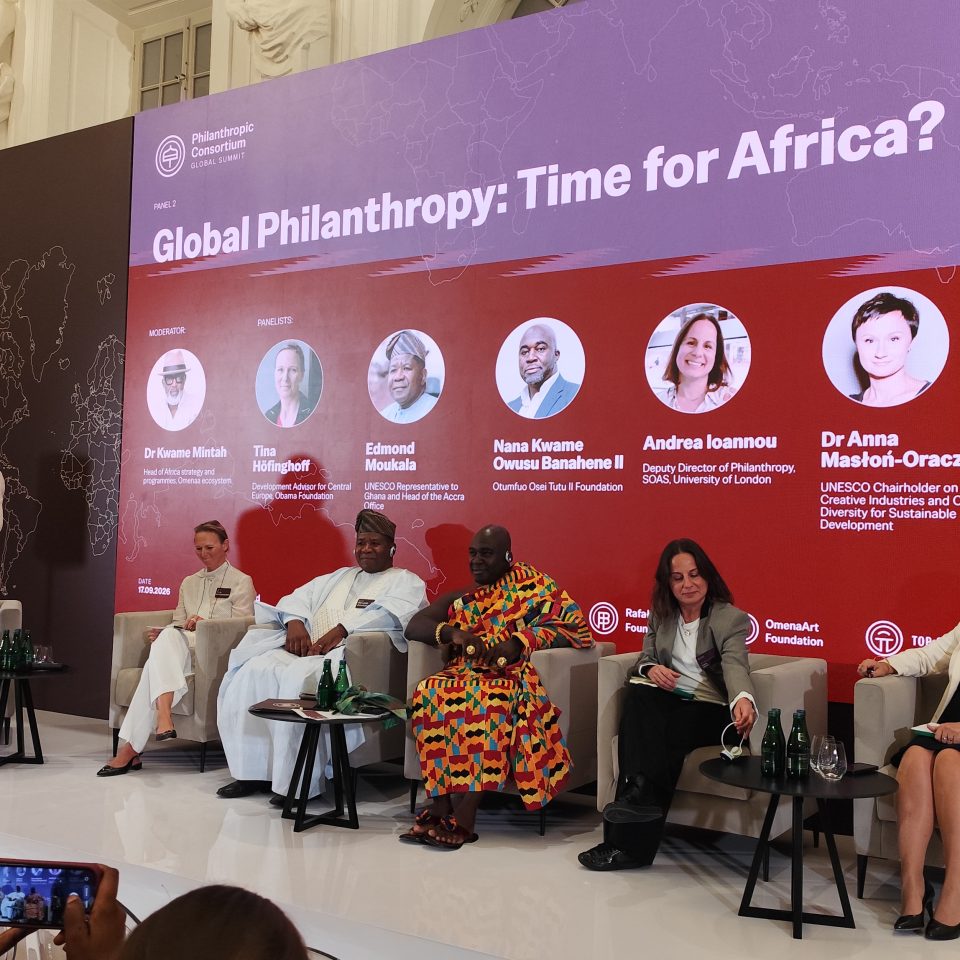
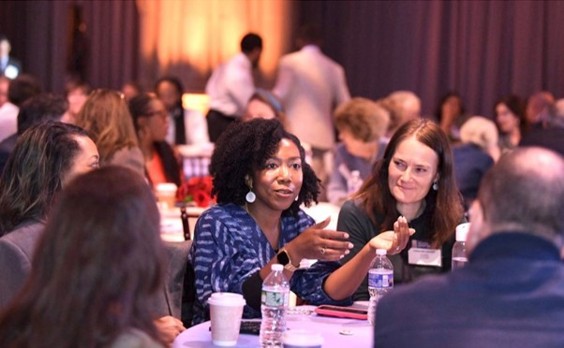
Earlier this year I helped arrange a visit to the National Trust’s Cliveden for Omena Mensah and colleagues. That connection led to an invitation to attend the Philanthropic Consortium Summit in Warsaw. The dominant theme was around building bridges. Bridges between philanthropists and communities; between Europe and Africa; between different sectors, different generations, different projects and between people who simply want to make a difference. Omena’s idea is about creating an ecosystem of philanthropy. And it’s very exciting. Especially the role of culture, art and creativity in creating understanding and overcoming division.
One interesting discussion was the idea that philanthropy is not only for billionaires. Everyone has something to contribute. And giving can involve time, expertise, land, advocacy and leadership as well as money. We talked a lot about Poland and Africa. Several themes stood out including a focus on partnership rather than aid; Africa rising on its own terms; Poland’s different historical relationship with Africa and learning from African communities and their spirit of generosity and mutual support.
It was also interesting to consider the possibility of sharing expertise around institution-building. And there were some interesting conversations about ideas such as a Ghana National Trust. Although, definitely not an imported solution, but something built around local stewardship and leadership.
The most powerful message from Warsaw was that lasting change comes through partnership, not patronage. And as I spend much of my time connecting heritage organisations and professionals across borders, that was really good to hear.
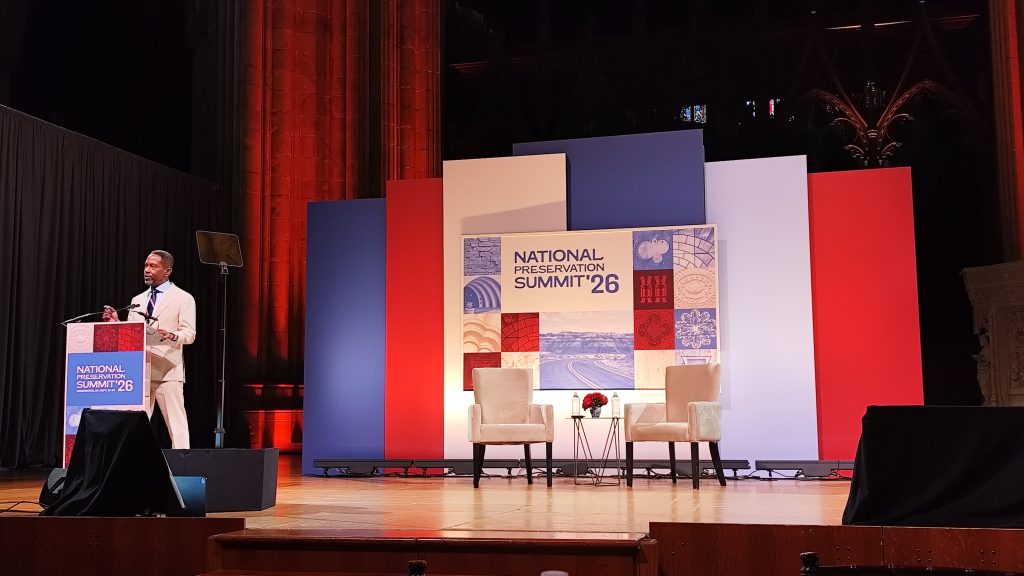
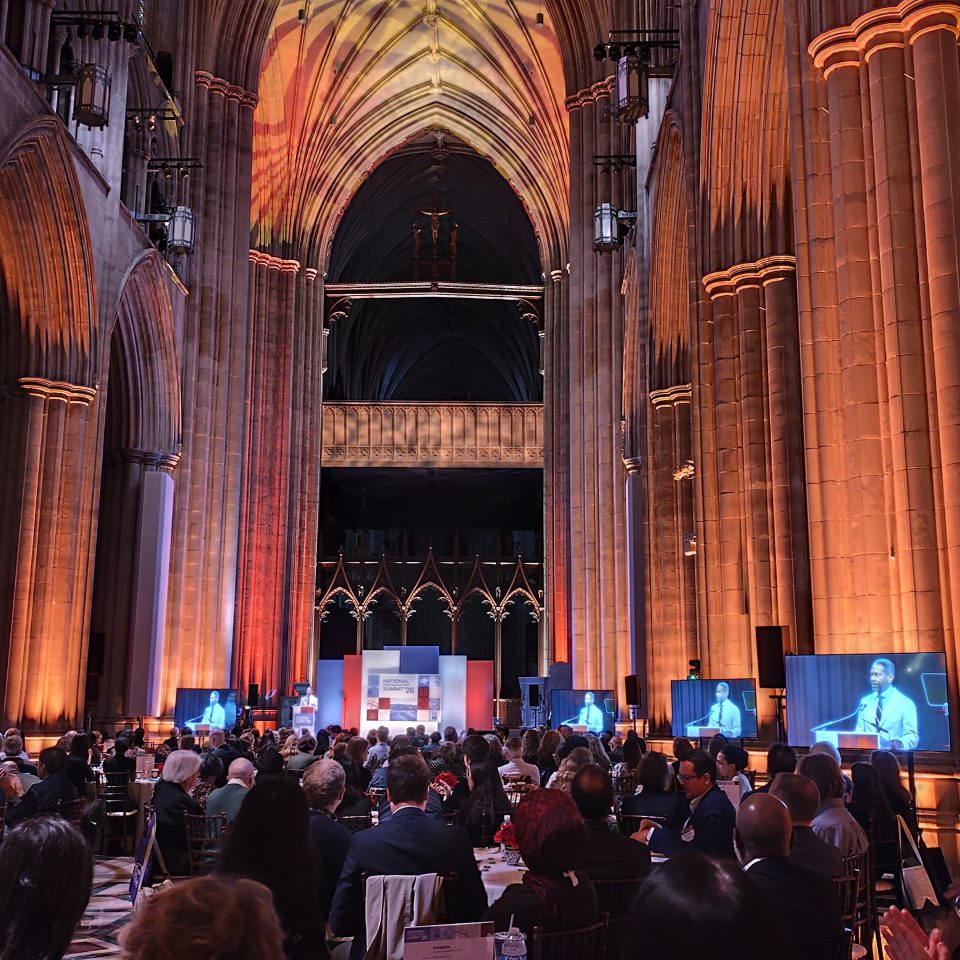
The Preservation Summit felt both urgent and energising. Repeatedly speakers stressed that this was an existential moment for heritage in the United States. And it was exciting to meet Brent Leggs, the 11th President and CEO of the National Trust for Historic Preservation. What an incredible lesson in leadership and perseverance. From graduate intern to CEO over 21 years! He also had a very strong message which really resonated with the INTO movement. We’re not in this alone. Preservation is about more than saving buildings. History helps societies navigate uncertainty.
One of the most striking themes was around heritage as stewardship. The idea not of protecting buildings, but of carrying forward wisdom. Not of taking ownership, but taking responsibility. There was also strong concern about proposals to weaken heritage protections that exist in Section 106 (USA) and the impact of diluting that. I had seen posts about it but it felt a bit dry (planning!). And then I heard the presentations and was reaching for my phone to enlist my American cousins in the campaign! Brent also launched the new Historic Preservation Defense Fund to support legal defence, public advocacy and community activation. The mood was definitely not one of despair – but one of determination.
We also heard repeated challenges to traditional ideas of authority. Who decides what is remembered, whose knowledge counts, who gets to tell the story? Speakers stressed the fact that the community holds valuable expertise.
We heard about the economic value of preservation and several speakers explored how places shape collective memory, including civil rights sites, immigrant communities, neighbourhood histories and ordinary people’s stories. Yiselle Santos Rivera, President-Elect of the AIA (American Institute of Architects), said that ‘Place is not simply the backdrop to life. It is part of how we live.’ And Huy Pham, Executive Director, Asian & Pacific Islander Americans in Historic Preservation, asked ‘What songs are we singing, and to whom?’
There were many calls to action. Turn frustration into energy; every voice matters; build new partnerships; be brave; play the long game.
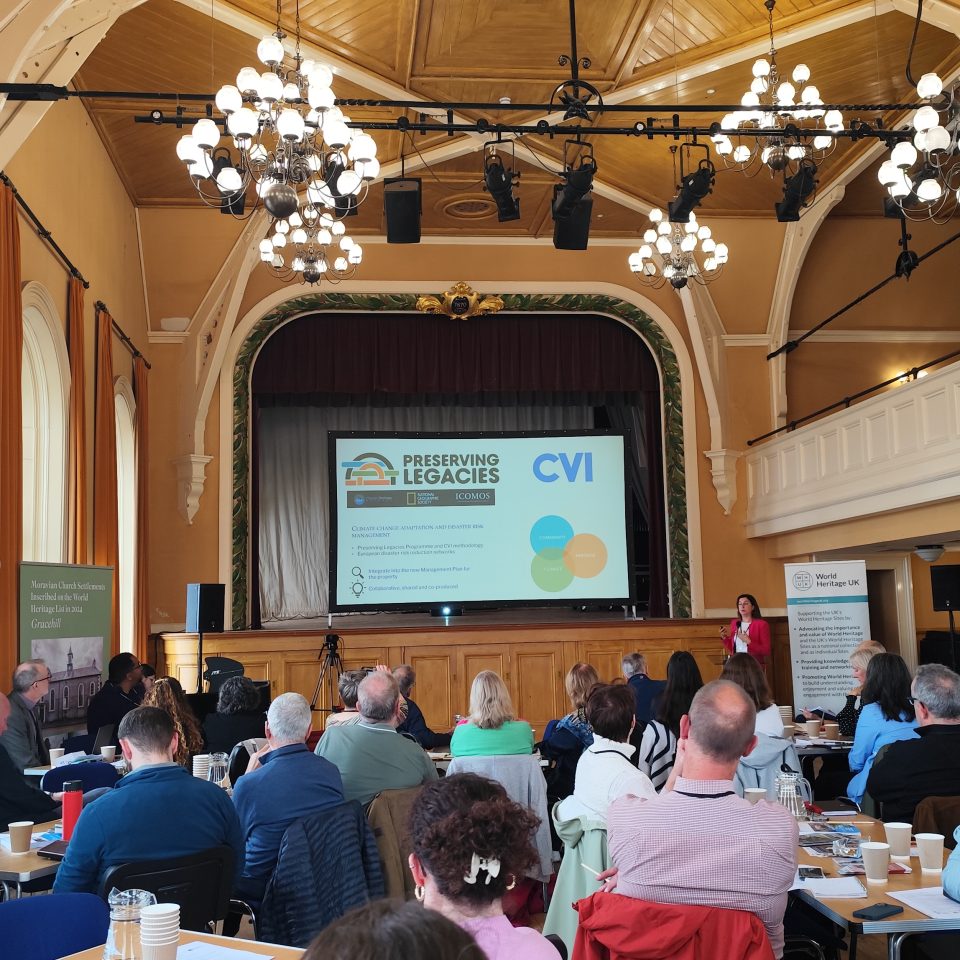
The World Heritage UK Annual Conference provided an opportunity to reconnect with colleagues and hear about initiatives across the UK and Ireland. If Warsaw spoke about bridges and Washington about partnerships, World Heritage UK focused on collaboration.
I shared examples exploring how World Heritage status can open up connections, collaborations and global community. Drawing on INTO’s projects in Zanzibar, Egypt, Jordan and the Comoros, and highlighting how heritage organisations build resilience, relevance and lasting partnerships.
Many speakers mentioned the ‘Five Cs’ of World Heritage: Credibility; Conservation; Capacity-building; Communication and Communities. A sixth C has recently been added, which is Collaboration. And being heritage folks, we added a few more, including Conversation, Compromise and … Cake!
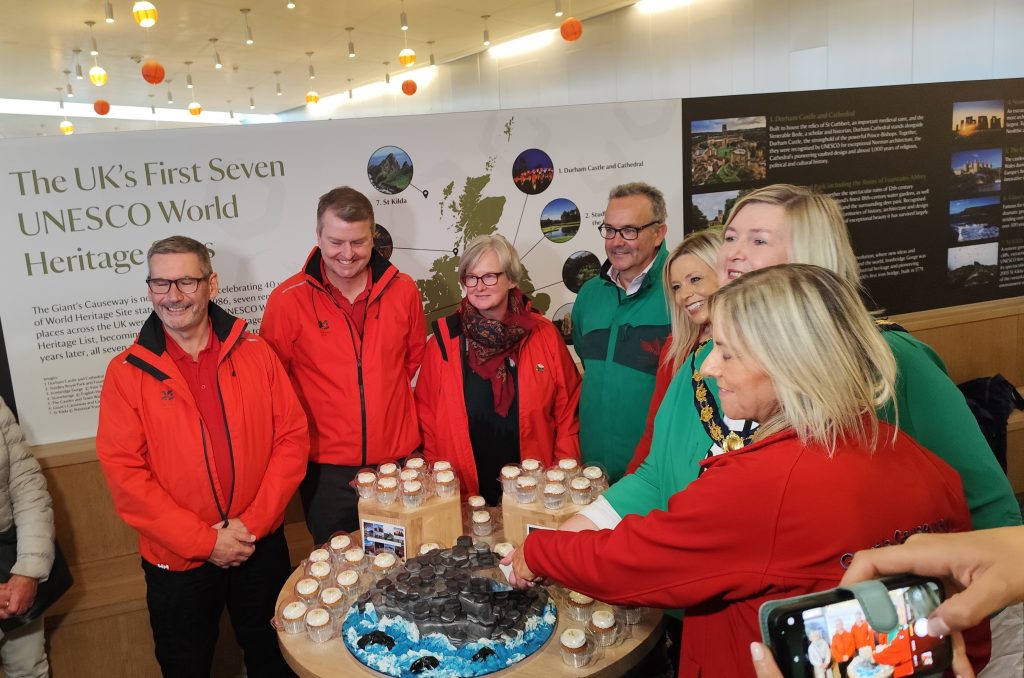
Hilary McGrady, Director-General of the National Trust emphasised the wider economic value of heritage, reminding us that our work creates jobs, partnerships create impact and our work generates so much wider public benefit.
In conversation and during the plenary, discussions highlighted the importance of learning across borders, networking and exchange, cultural routes and international cooperation. All music to my ears!
One quote that stayed with me came from Dr Will Megarry, who said that ‘Change moves at the speed of trust’. That feels particularly true in the case of climate action, when we feel we need to act so urgently, but is also relevant for community engagement and international cooperation. Trust takes time to build but can be lost quickly.
Some of the most inspiring examples involved young people, schools, peer learning and exchange programmes. Ffion Meleri Gwyn of the Slate Landscape of North Wales described two schools learning about their own places by learning from each other in the Footsteps of Giants project. A simple but powerful reminder that understanding often begins with a conversation.
Whilst, as one speaker observed, World Heritage status is not a silver bullet, it was great to hear more about Ireland’s Tentative List. Particularly the Transatlantic Cable Ensemble as that involves Heart’s Content Cable Station, which is an INTO Places property!
As we look forward to our own conference INTO Bavaria in a couple of weeks, I’ve been struck by how similar the feel of these events was.
In Warsaw, people talked about building bridges. Speakers in Washington called for new alliances and collective action. And in Belfast, collaboration, conversation and trust came up repeatedly.
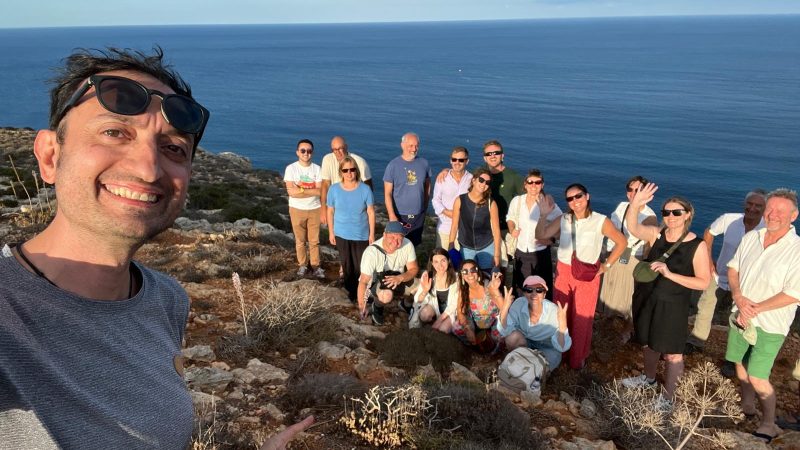
I returned home with new friendships, renewed connections and far more ideas than I know what to do with! I was also reminded that heritage is fundamentally a team sport. Whether we’re talking about philanthropy, preservation or World Heritage, success depends on people finding common ground, sharing knowledge and working towards something bigger than themselves.
My father built bridges out of concrete and steel. Ours are made from relationships, trust and shared purpose. And in that vein, it was wonderful to connect to former INTO Trustee and long-term collaborator and supporter David Brown while I was in DC.
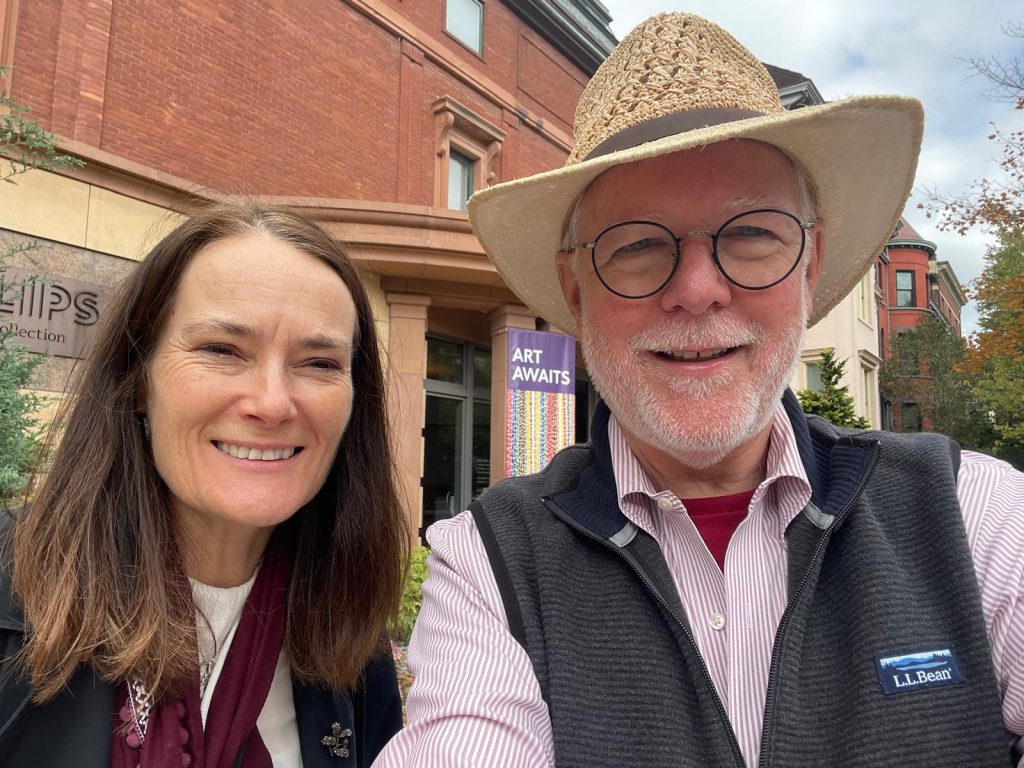
Over many years, David has played an important part in strengthening the international connections that sit at the heart of INTO’s work. Catching up was a welcome opportunity to reflect on how far we’ve come, the challenges we continue to face and the shared commitment that keeps this global community moving forward.
September 30, 2026
September 21, 2026

September 11, 2026