BlogsCase StudiesINTO ProjectsProgrammes
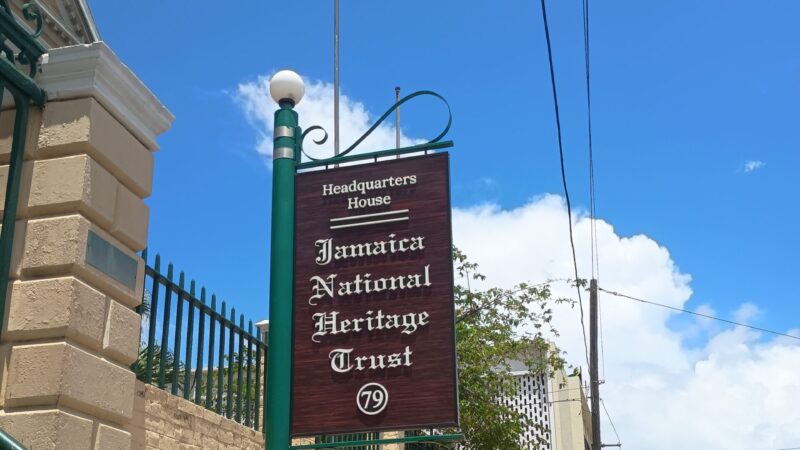
Headquarters House: histories of architecture and enslavement in Jamaica
January 14, 2026

Re-Interpreting International Sites of Enslavement March 2026 webinar resources
School visits are some of the richest educational opportunities at heritage sites, but they come with pressure to simplify, protect and deliver a meaningful experience within a rigid framework.
In our March 2026 RISE webinar, we considered resources and support we can equip ourselves with to better engage school groups at heritage site, especially sites of enslavement.
Guest speakers were Francis Momoh, Research and Development Officer at the Relics and Monuments Commission (Sierra Leone) and Joan Cummins, Associate Director of Learning Initiatives, President Lincoln’s Cottage (USA).
Below are resources from our session.
An excerpt from Kristen L. Gallas' Interpreting Slavery with Children and Teens (Rowman and Littlefield, September 2021) in History News, a publication of the American Association for State and Local History. Gallas offers advice, examples, and replicable practices for the comprehensive development and implementation of slavery-related school and family programs at museums and historic sites. (PDF 566 KB)
This resource from the National Child Traumatic Stress Network (USA) is intended to help educators understand how they might address the interplay of race and trauma and its effects on students in the classroom. After defining key terms, the guide outlines recommendations for educators and offers a list of supplemental resources. (PDF 1.3 MB)
This resource on British histories of race, migration and empire by the Institute of Historical Research and the Runnymede Trust is part of an effort to increase the presence of Black history, histories of colonialism and of migration in the UK history curricula.
For Abraham Lincoln, time spent in reflection at the Cottage was an important part of his process in developing his ideas around the problem of slavery. For students, reflection can help develop higher-level thinking strategies, reinforce that their ideas and perceptions are valuable, and help them connect the past with the present.
There are more than 400 National Park Service sites across the United States and most parks have Junior Ranger programs. Young people can join the programme at Cedar Creek and Belle Grove National Historical Park to learn about the people, places, and stories of the historical park.
Belle Grove's exciting learning adventure uses hands-on activities to bring history to life. Combining interactive learning experiences, the tour provides an understanding of how inhabitants of Belle Grove lived and worked over two hundred years ago.
Engaging Youth Audiences in Caribbean Museums by Csilla E. Ariese-Vandemeulebroucke discusses youth engagement by presenting examples from museums in the Caribbean. The core of the paper is a collection of Caribbean examples of youth engagement processes or projects grouped by different approaches and desired outcomes. It concludes with a plan of action for youth engagement at heritage sites. (PDF 811 KB)
This article by Cynthia Kros analyses one aspect of the current Grade 7 curriculum in South Africa, namely slavery at the Cape. It then explores age-appropriate ways of engaging with the brutal ideology of paternalism that several South African historians have argued was central to the maintenance of slavery and later systems of labour control and reproduction.
Gehane Nabil's paper aims to study the possibility of communicating heritage to school children and raising their awareness about it using the oral storytelling performance method (OSP).
January 14, 2026