BlogsClimate changeINTO Projects
Celebrating two World Heritage sites through ‘Salt and Stone’
September 21, 2026

Over the past three years, the ‘Withstanding Change’ programme has brought together partners across six countries to explore the shared challenge of how cultural heritage can respond to a changing climate. Working in very different contexts, partners have restored historic places, engaged communities, met with core decision makers, and tested new approaches with colleagues and other professionals in the field, linking heritage and climate change.
Through restoration, training, and community engagement, partners have worked not only to protect historic places, but to understand how heritage and climate are connected in practice. It was about learning, adapting, and building knowledge through exchange and practice. Across the project, partners reflected not only on what was achieved, but on how their organisations, sites, and communities changed through the process.
As the programme comes to a close, this reflection brings together shared experiences from across the partnership.
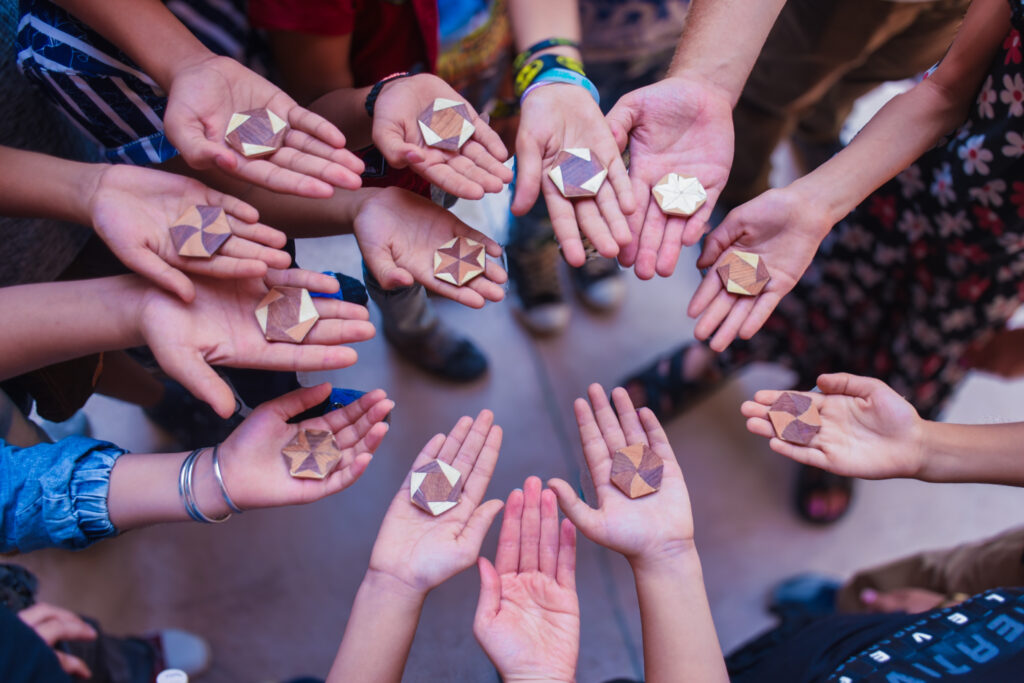
Children on a workshop at Bayt Al Razzaz, Cairo learning from traditional crafts
Giza

Ethiopia
Uganda
Jordan
Syria

Tanzania
Across all six sites, the most visible changes have been physical changes, where buildings and landscapes that had been previously damaged, neglected, or at risk from climate change impacts have been restored and safeguarded. But the deeper changes have been social, cultural, and organisational.
Restored places have become centres of creativity, exchange, learning, and identity. In Cairo, one reflection described how “the house created a whole creative network — everyone knows it through someone else.”
In Ethiopia, participants shared that the project “transformed the landscape… it provides us with a sense of wellbeing and pride — it’s our heritage.” This project gave us valuable experience to emerge as heritage professionals, a claim we can make and with the body of work to back it up.
‘Withstanding Change’ has helped Heritage Watch Ethiopia to become an organisation that serves civil society in practical and innovative ways. We have learnt how to design ‘need focused’ programs i.e. peer learning sessions for high schoolers, we also offered formal and informal sessions geared to nurturing young leaders. We are especially proud of our success to reach the next generation Ethiopians to be more sensitive, aware and better equipped to address critical issues in the areas of the well being of natural and cultural heritage.
In Uganda, the development of the museum and gardens has strengthened pride and belonging, while in Syria the restoration of the Ghassania Theatre has helped reconnect communities and rebuild shared identity through heritage.
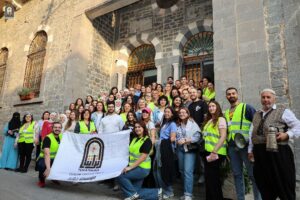
Heritage group at the Ghassania Theatre
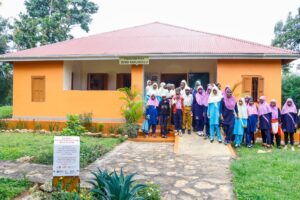
Semei Kakungulu Museum school visit
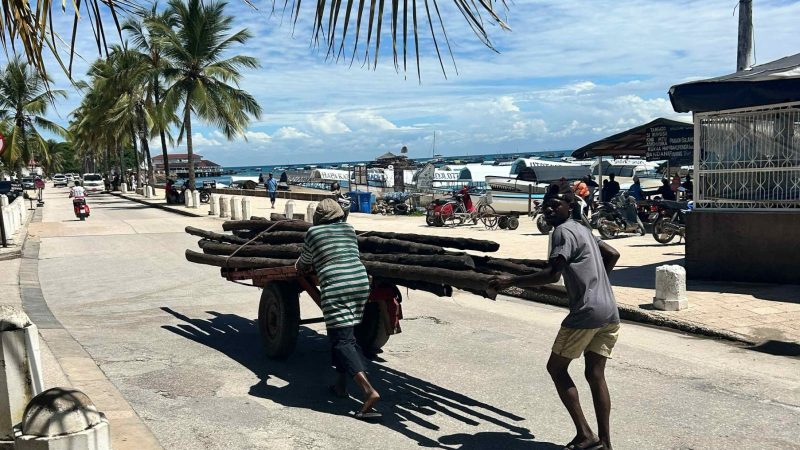
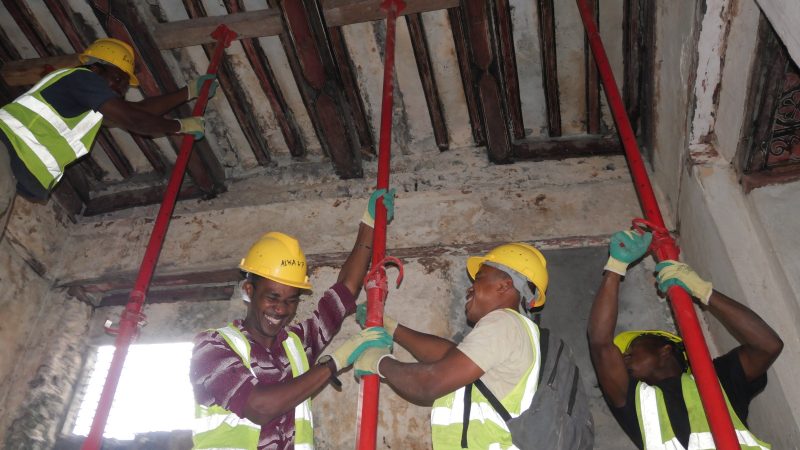
The project has also changed how many of us understand the relationship between heritage and climate. Through hands-on restoration and training, partners and participants have seen climate impacts in new ways. In Zanzibar, the project delivered the island’s first climate-adaptive rehabilitation of a historic building.
Alongside the physical works, three hands-on workshops trained 55 young people in coral stone masonry and timber conservation. For the first time, many trainees connected craft skills with climate adaptation: “For the first time, we understood the impact of climate change… we now understand how climate change affects weather patterns and erodes our building materials.”
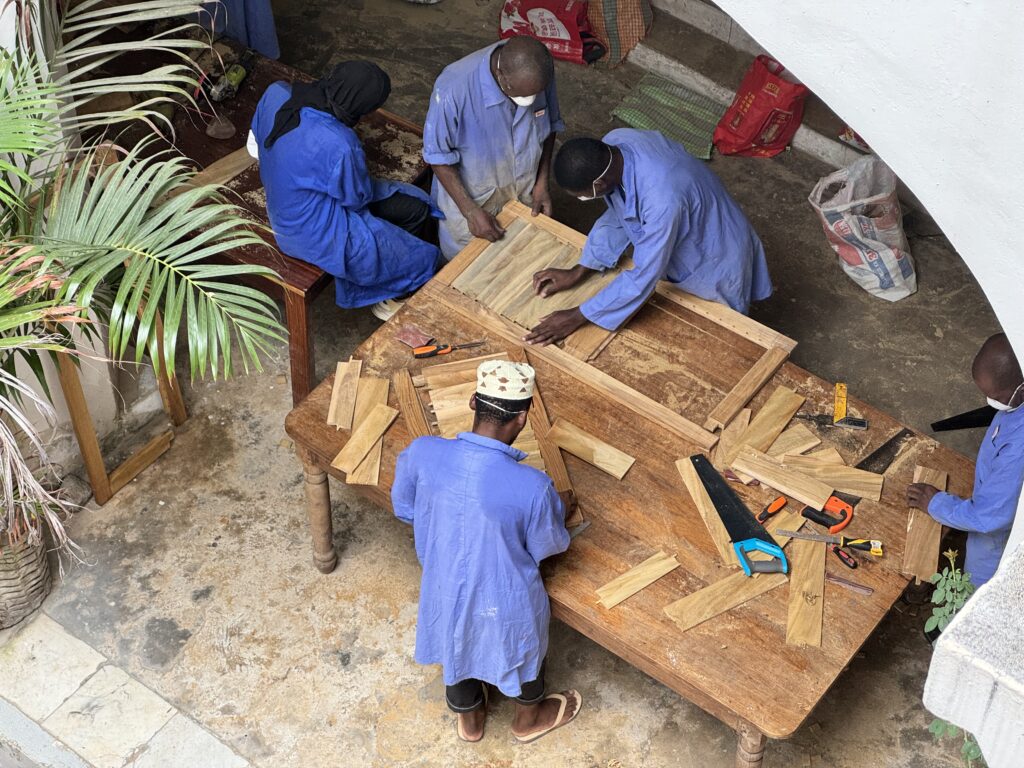
Woodwork trainees repair shutters and frames
For the first time, we understood the impact of climate change… we now understand how climate change affects weather patterns and erodes our building materials.
The project has taken place in complex and sometimes uncertain contexts. Across different countries, partners have worked within challenging policy environments, conflict-affected settings, and demanding local conditions. Through persistence and collaboration, we have strengthened trust, adapted to challenges, and continued to protect heritage in difficult circumstances.
Much of our learning has come through practice. In Jordan, what began as a vulnerable historic house in As-Salt is now a structurally safe and partially activated community space, hosting training workshops as well as youth and women programmes. The restoration process focused on climate-resilient interventions, particularly improved rainwater management and structural protection. The prioritisation of integrated rainwater drainage and moisture monitoring demonstrated how small, well-targeted technical interventions can significantly extend the life of vulnerable heritage buildings in a changing climate.
As one partner reflected, the project “reinforced the importance of climate-resilient restoration” and broadened understanding of climate risks beyond buildings to wider ecosystems. Beyond the building itself, the project directly engaged youth, women entrepreneurs, and local partners, linking climate resilience to livelihoods, skills development, and long-term stewardship. It “demonstrated that locally led, heritage-based adaptation work supports skills, supports livelihoods, and connects culture with climate awareness. It can contribute to influencing international agenda/policy if strategically engaged.”
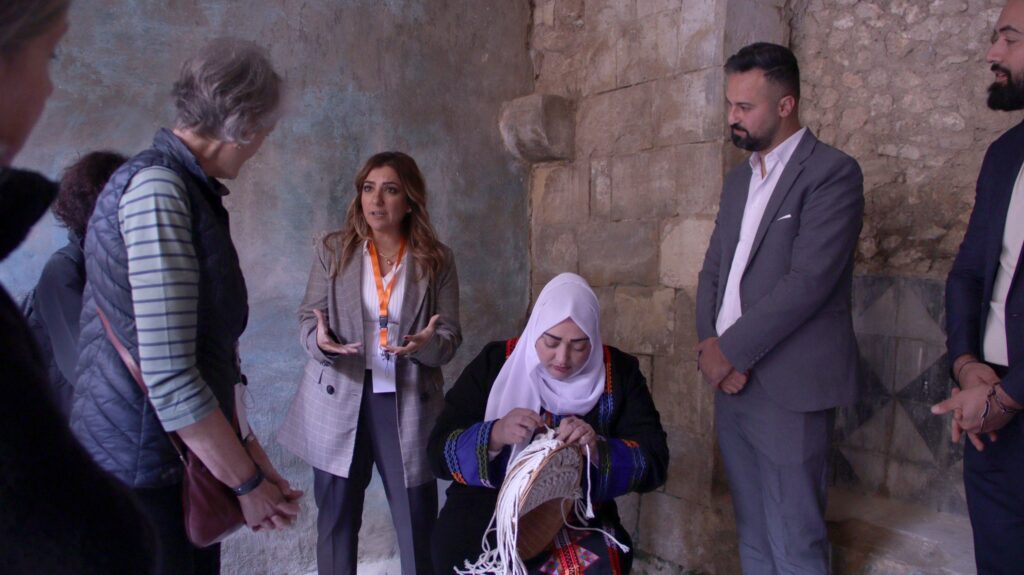
Visitors to Bayt al Jaghbeer discuss traditional crafts with the Al Khader Centre community
Locally led, heritage-based adaptation work supports skills and livelihoods, and connects culture with climate awareness. It can contribute to influencing international agenda/policy if strategically engaged.
Across all six project sites, it became clear that partnership mattered, and partnership with the National Trust, and the other partners, was particularly important in holding the project together.
Working internationally through the project’s twinning partnerships has allowed us to learn from different environments, approaches, and experiences. Knowledge has been shared not only through formal activities, but through peer exchange, long-term relationships, and direct collaboration between sites, strengthening confidence and shaping how we approach our work.
The most lasting outcome of the project may not be individual activities, but strengthened organisations, deeper connections, and a shared sense of purpose. The project has created a network of people committed to linking heritage and climate in meaningful ways.
Although the programme is ending, the results and outcomes will continue. Skills developed through the project are being applied in new work. The restored sites have created permanent locations for communities to remain connected to one another, and their heritage.
In Jordan, the work has strengthened local capacity and confidence. Bayt Al Jaghbeer is continuing to evolve as a climate-resilient cultural hub, with the skills developed through restoration training, youth leadership programmes, and local partner capacity building now embedded in ongoing community activities and future funding proposals.
In Ethiopia, as an organisation, HWE are well on their way to becoming the resource centre they have always aspired to be. Through this experience, their staff have had the opportunity to elevate, broaden, and deepen their individual skills as heritage practitioners. The leadership programme offered has strengthened the leadership capacity of several staff members and raised the quality and level of leadership overall.
“We are a stronger, better-equipped organization because of our experience with Withstanding Change. We now approach the journey ahead with greater commitment and confidence in both our national and international networks. This has truly been a life-changing experience for us at Heritage Watch Association”. In Zanzibar and Ethiopia, the skills developed are continuing to shape training and practice. Across the partnership, the project has helped anchor a deeper understanding of the relationship between heritage and climate.
In Egypt, the project reconnected the palace again to its direct community. A new bond is created with the younger generations who had never set foot before inside. Today, they are becoming the most important supporters. And, as one participant in Zanzibar said, “The word ‘heritage’ will remain etched in our memory… we will continue to speak of it everywhere and at all times.”
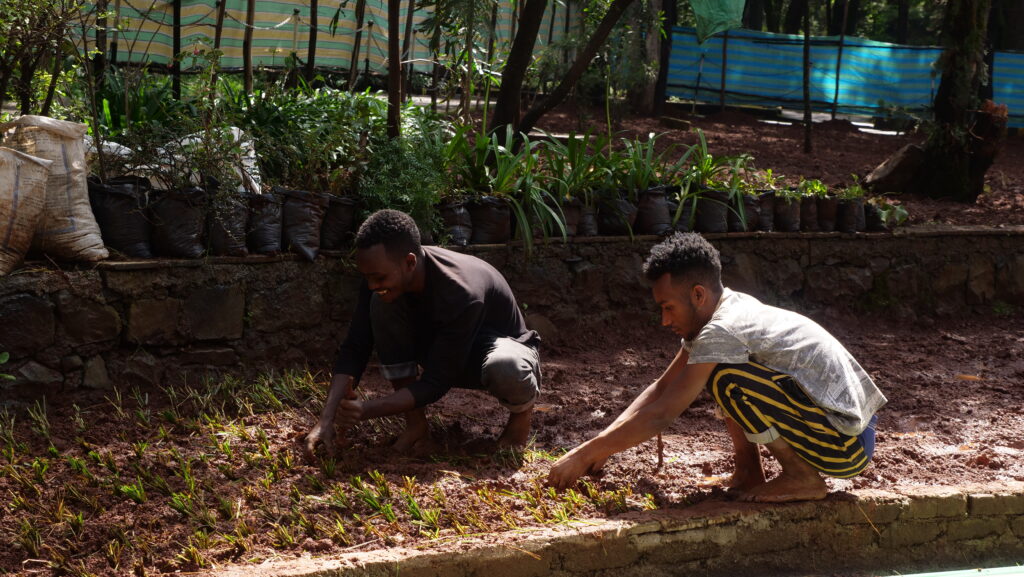
Two garden trainees planting seedlings at the Tsegereda Garden
We are a stronger, better-equipped organization because of our experience with Withstanding Change. We now approach the journey ahead with greater commitment and confidence in both our national and international networks. This has truly been a life-changing experience for us.
‘Withstanding Change’ has been a shared journey across places, cultures, and contexts. It has shown that heritage can play an important role in how communities understand and respond to change.
The programme concludes, but the commitment it fostered continues. The work now moves forward through the partners, communities, and connections that shaped it and we’re excited to see how it develops.
The partnerships and learning from ‘Withstanding Change’ are already informing the next phase of work. We look forward to sharing further details in due course.
We are grateful to the Cultural Protection Fund for supporting ‘Withstanding Change’
September 21, 2026