BlogsINTO ProjectsProgrammes
RISE impact: ‘The Encounter’ at Seville Great House and Heritage Park
July 13, 2026

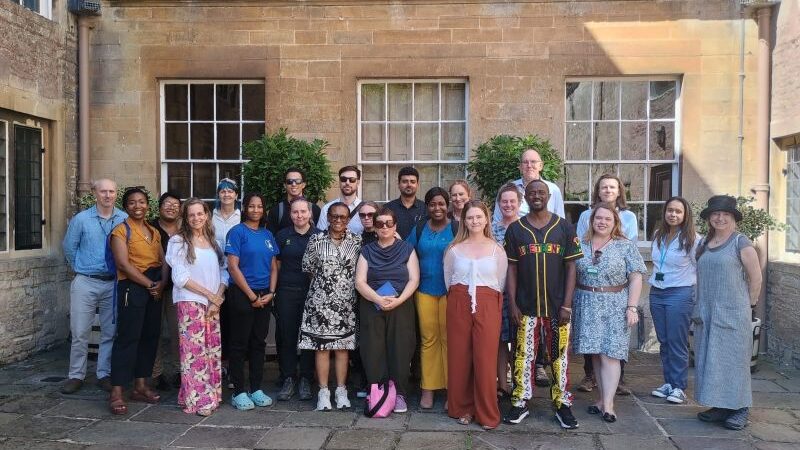
Exciting news! Nine organisations from INTO’s RISE network have been awarded funding to explore the links between plants and enslavement. Each site will collaborate with a team of academics at the University of Bristol as part of the four-year UKRI-funded research project, Plants, Enslavement and Public History.
The seed funding will enable organisations to develop a diverse range of projects, involving research, interpretation of plant stories, and audience engagement.
Barbados National Trust will develop new interpretation of plant histories at Welchman Hall Gully with local experts, to better engage Barbadian communities and school groups with the history of one of the few remaining forested areas on the island.
Bermuda National Trust will transform the courtyard gardens of Tucker House into living interpretive spaces that link plants, people, and the legacies of enslavement, co-curated with a local ethnobotanical specialist.
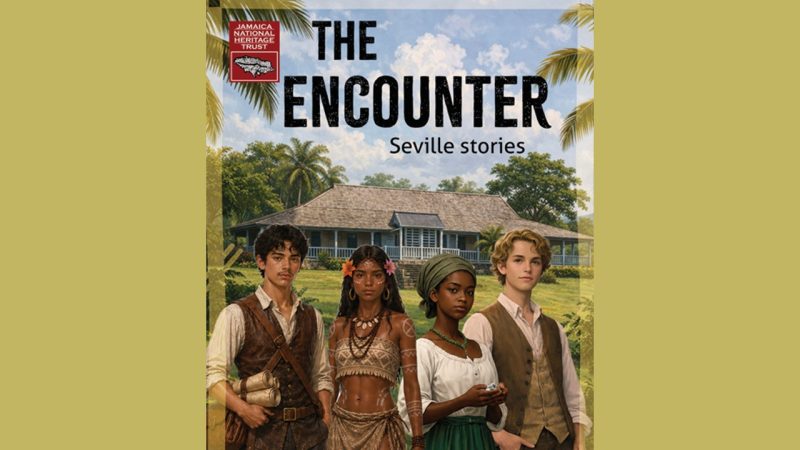
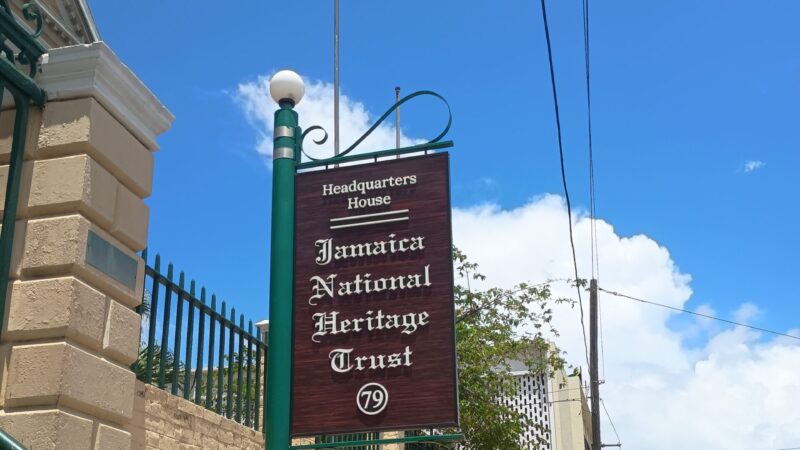
Jamaica National Heritage Trust will revitalise a historic African Kitchen Garden used for subsistence and bartering at its Seville Heritage Park national monument, retelling plant stories in the local context.
Montserrat National Trust’s project will enable interpretive renewal at Richmond Hill /Grove Sugar Mill and Estate, including clearing and preparing land for new interpretive panels that explain social, historical, and agricultural histories of sugar production during enslavement, and lime cultivation after emancipation.
Nevis Historical and Conservation Society will interpret the resilience, ingenuity, and environmental mastery of enslaved African stonemasons by transforming the Museum of Nevis History’s stonework and rock gardens into a climate-resilient heritage landscape.
Saint Helena National Trust will establish an interpretation centre and Garden of Reflection within the burial grounds of the liberated Africans at Rupert’s Valley to acknowledge, honour and commemorate a tragic yet vital chapter of the island’s history.
Saint Lucia National Trust’s project at the Pigeon Island National Landmark will create a focal garden to build a more inclusive and in-depth narrative of how enslaved peoples, the indigenous population, indentured immigrants and colonial settlers shared historical connections through plants. This will include reintroducing plants from various historical periods that reflect the island’s rich past.
Interpretation at National Trust of Trinidad and Tobago‘s Nelson Island will explore the ecological memory of plantation-era landscapes, through a soundscape exploring memory, movement, emotion, and ancestral presence.
Zanzibar Stone Town Heritage Society’s fieldwork will involve archival and oral history research in Stone Town and Pemba Island, with site visits to clove plantations in rural areas of Pemba Island, which were historically linked to enslaved labour on clove farms.
We are delighted that INTO members and their audiences are benefitting from this research. We’ll share more from individual Trusts as their projects unfold throughout 2026.
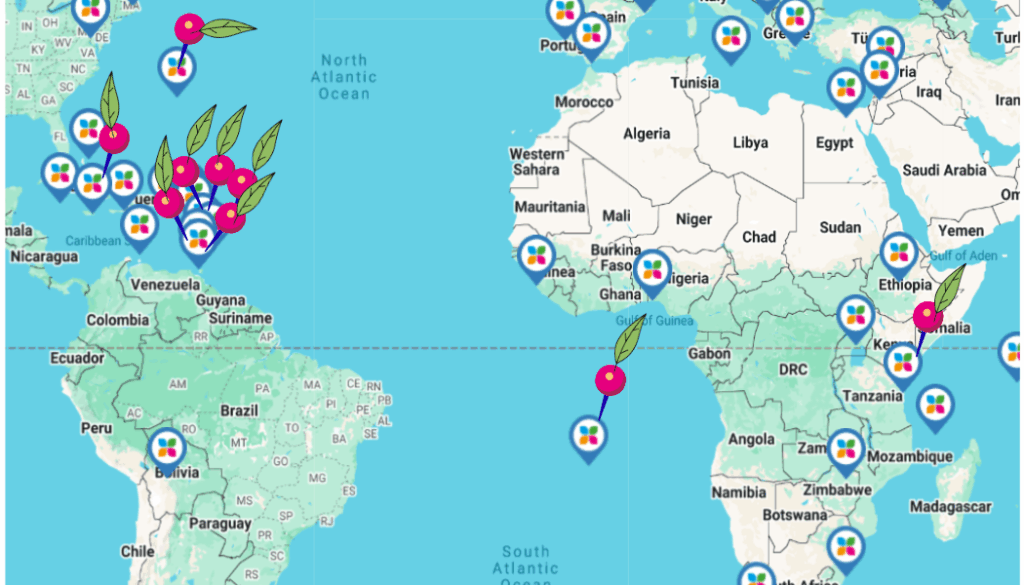
Seed grants map

Barbados
Bermuda
Jamaica
Monserrat
Trinidad and Tobago
Nevis
St Helena

Tanzania
Saint Lucia
July 13, 2026
January 14, 2026